Travel advantage
Small aircraft reduce the size of the charging kit, spare parts, batteries, and carry case. That matters when the drone shares a backpack with camera gear, hiking gear, or daily travel items.
packablelight kit
For most travel and long-range pilots, the best Flywoo sub-250g FPV choice is Explorer LR 4. Choose Flylens 75 or Flylens 85 when protected close-range HD flying matters more than distance. Choose Firefly 16 or Firefly 18 when the priority is the smallest possible O4 Wide travel drone.
Choose Explorer LR 4 when the goal is travel footage, open-area cruising, GPS-supported route planning, and the longest Flywoo sub-250g FPV use case. Choose Flylens 75 or Flylens 85 when the goal is protected HD flying around homes, small parks, indoor spaces, and people-sensitive locations. Choose Firefly 16 or Firefly 18 Nano Baby when the goal is a tiny 1S O4 Wide aircraft that disappears into a travel kit.
A sub-250g FPV drone can be easier to pack, easier to carry on hikes, and simpler to plan around in many regions. It is not a permission slip to fly anywhere. The actual rule depends on the country, the operation type, the camera, Remote ID requirements, and the exact takeoff weight with battery, props, straps, filters, and accessories.
Small aircraft reduce the size of the charging kit, spare parts, batteries, and carry case. That matters when the drone shares a backpack with camera gear, hiking gear, or daily travel items.
packablelight kit
In the US, recreational drones below 0.55 lb can avoid registration in many recreational scenarios, while commercial use and registered aircraft have different requirements. EU open-category rules also treat lower-weight drones differently. Check current local rules before flying.
FAA contextEASA context
Sub-250g means ready-to-fly weight, not bare frame weight. A larger battery, action camera, GPS mount change, prop guards, LED parts, or strap change can move a setup into a different rule category.
weigh the setupbattery matters
The right sub-250g FPV drone is the one that fits the route. Open ridgelines and shorelines need efficiency and GPS planning. Indoor rooms and tight yards need prop protection. Tiny travel kits need minimum weight and a simple battery system.
| Travel scenario | Best Flywoo fit | Why it fits | What to check before buying |
|---|---|---|---|
| Open scenic routes, hikes, coastlines, ridges | Explorer LR 4 O4 PRO / O4 Wide | Efficient 4-inch cruising, GPS support, DJI O4 HD video, and a travel-focused sub-250g setup direction. | Exact takeoff weight, battery plan, wind, route, return margin, GPS rescue setup, and local rules. |
| Hotels, homes, courtyards, small parks | Flylens 75 or Flylens 85 O4 | Ducted prop guards and low-speed control make protected close-range HD FPV more practical than an open long-range frame. | Indoor space, people nearby, battery size, duct condition, camera damping, and prop condition. |
| Smallest O4 travel kit | Firefly 16 or Firefly 18 Nano Baby O4 Wide | The 1S Nano Baby format keeps the aircraft tiny and simple, with O4 Wide video in a very light open-prop package. | Open flying space, prop safety, wind, battery connector, and realistic flight-time expectations. |
| Beginner travel pilot | Flylens first, Explorer LR 4 later | Protected whoops are easier for short learning flights. Explorer LR 4 makes more sense after the pilot can plan routes, manage batteries, and handle failsafe behavior. | Simulator time, safe practice field, throttle limits, failsafe behavior, GPS rescue, and local airspace. |
All three directions can fit a sub-250g conversation, but they are not interchangeable. Treat Explorer LR 4 as the open-route travel platform, Flylens as the protected HD platform, and Firefly 16/18 as the ultra-light 1S travel platform.
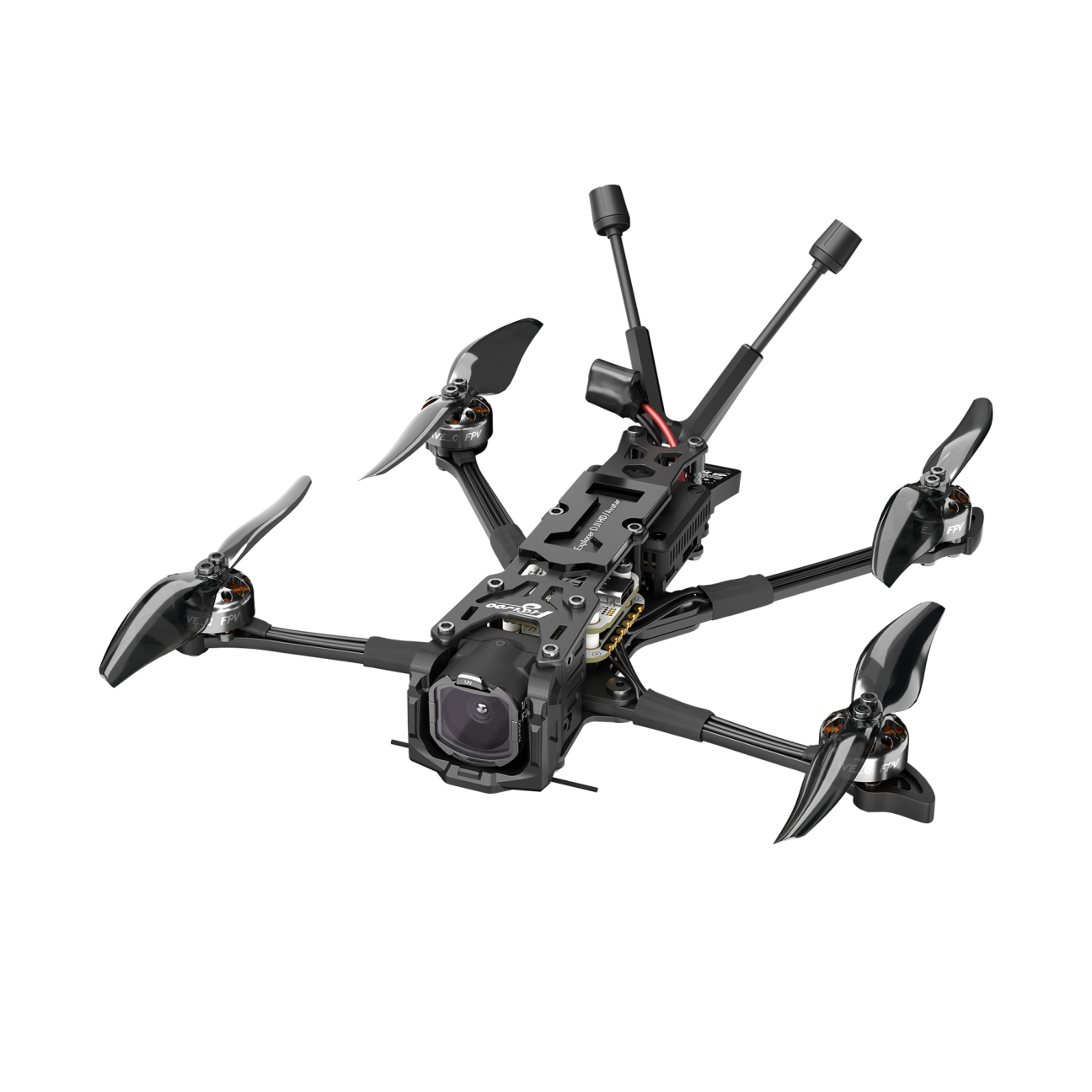
Best for: open-area cruising, travel footage, scenic routes, GPS-supported flight planning, and HD video without carrying a larger quad.
Not best for: indoor flying, close flights around people, crash-heavy freestyle, and tight spaces.
Explorer LR 4 is the most direct choice when "sub-250g FPV drone" means distance, efficiency, and travel scenery. The O4 PRO direction prioritizes image quality, while the O4 Wide direction keeps the setup lighter and more immersive.
4-inch LRGPSDJI O4
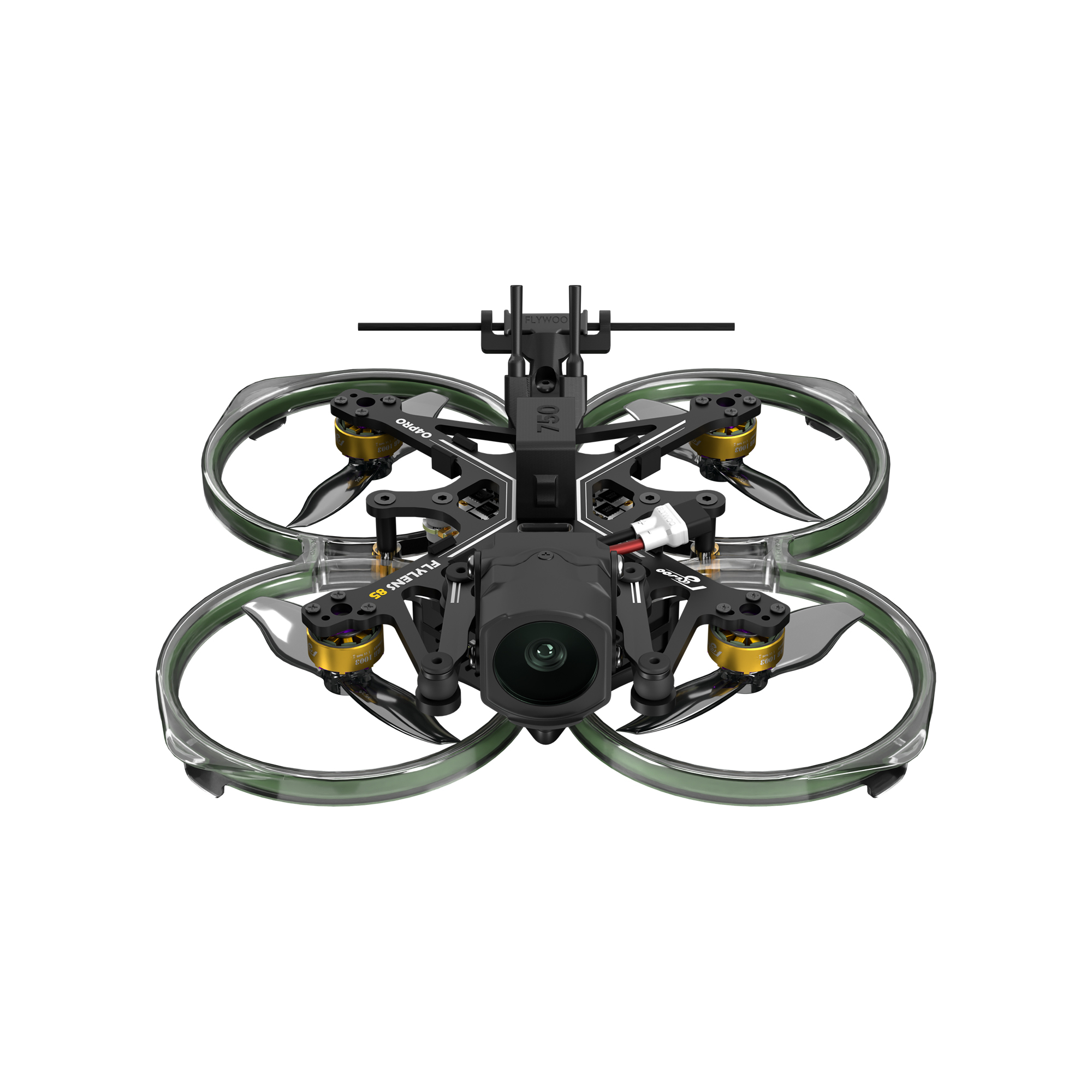
Best for: indoor-to-outdoor close-range HD FPV, family trips, small yards, vacation homes, and protected low-speed flying.
Not best for: long-distance cruising, windy ridgelines, or missions where GPS-assisted open-route efficiency is the priority.
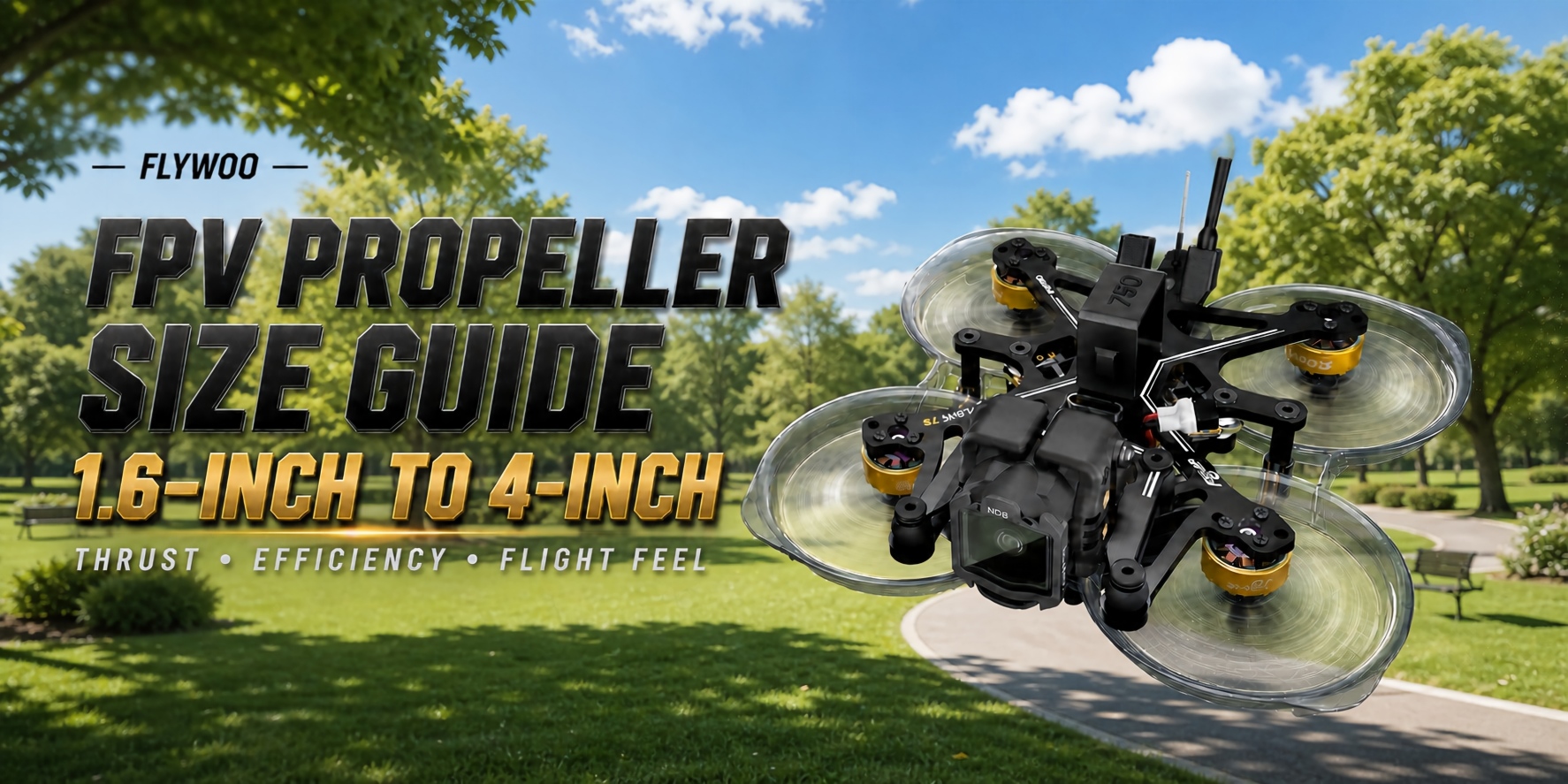
Flylens 75 is the tighter protected O4 whoop. Flylens 85 gives more room for steadier backyard and small-park flying. Both are better close-range travel choices than an open long-range frame when prop protection matters.
protected HD FPV2S whoopclose range
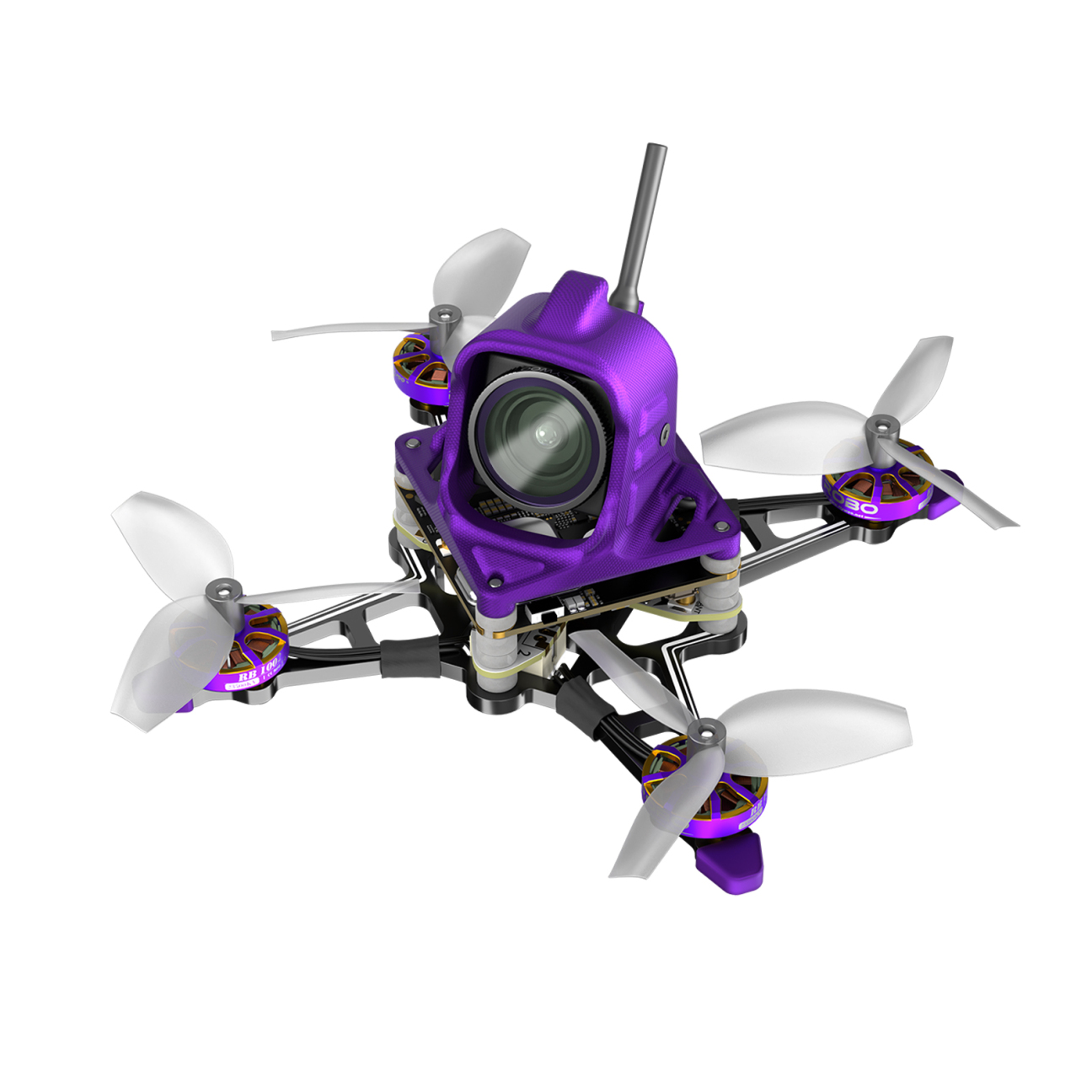
Best for: tiny travel kits, light outdoor practice, short O4 Wide flights, and pilots who want the smallest Flywoo digital FPV direction.
Not best for: flying near people, indoor contact-prone practice, strong wind, or long-range cruising.
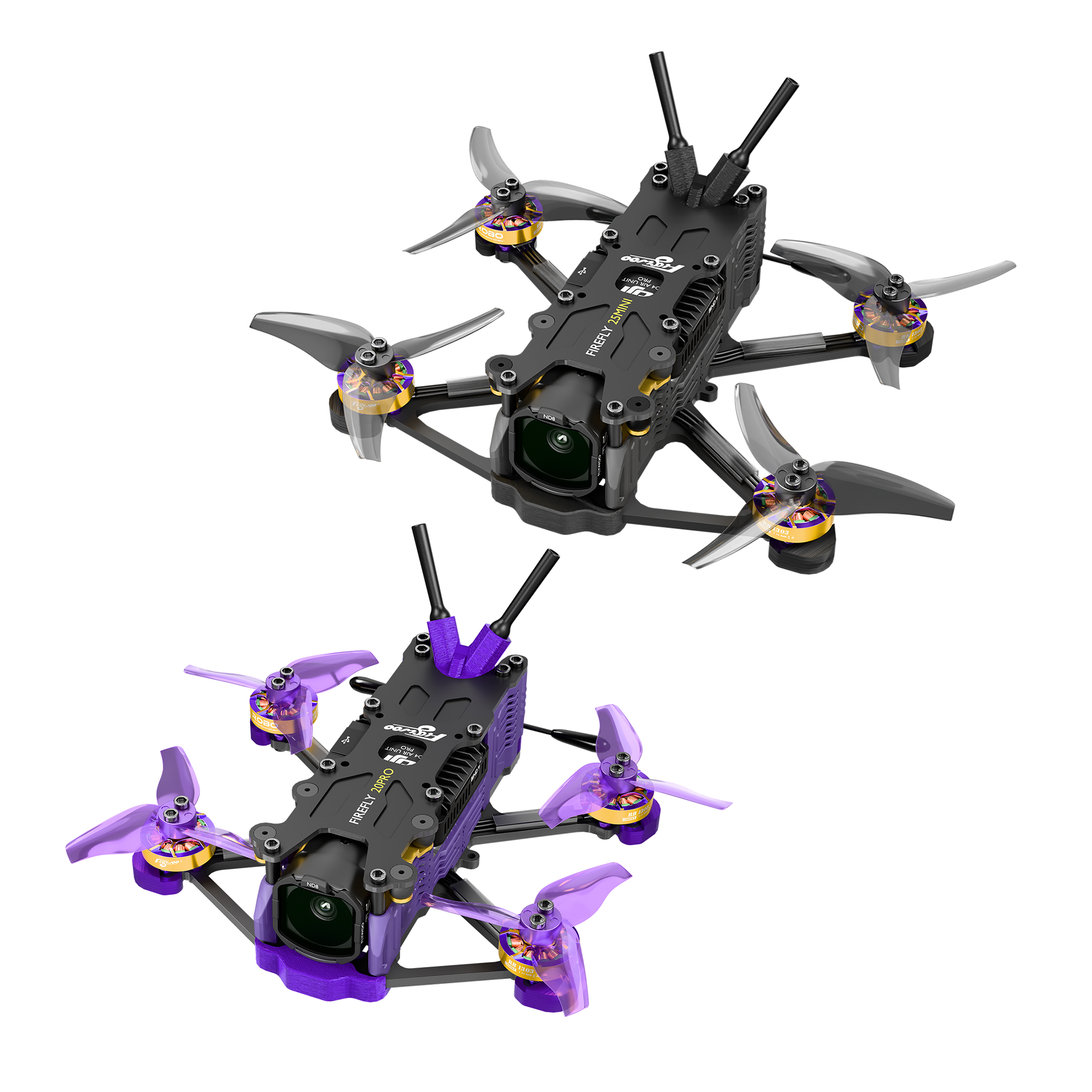
Firefly 16 is the smallest, lightest direction in this group. Firefly 18 gives a slightly larger 1.8-inch platform for light outdoor cruising. Both use open props, so they need more space and more care than Flylens.
1SO4 Wideultra-light
A smaller drone is not always the better travel drone. The best choice depends on route length, prop protection, battery system, image target, and how much open space the pilot has.
Pros: best fit for scenic travel, long-range cruising, GPS-supported planning, and efficient open-area HD footage.
Cons: not the right first choice for indoor flying, close flights around people, or crash-heavy freestyle.
Pros: protected props, smoother close-range control, and a stronger fit for homes, yards, courtyards, and small parks.
Cons: shorter-range role than Explorer LR 4 and less efficient for open scenic routes.
Pros: extremely small 1S O4 Wide travel direction, simple to pack, and useful for open-space short flights.
Cons: open props, less protection, less wind tolerance, and not a long-range platform.
| Model direction | Main job | Power direction | HD video direction | Flight-time context | Buyer meaning |
|---|---|---|---|---|---|
| Explorer LR 4 O4 PRO / O4 Wide | Open-area travel and long-range cruising | 4S LiPo / Li-ion planning, version dependent | DJI O4 PRO camera or O4 Wide, version dependent | Longest Flywoo direction in this group when set up for efficient cruising. | Choose it when the route is scenic, open, planned, and return margin matters. |
| Flylens 75 O4 / Flylens 85 O4 | Protected close-range HD FPV | 2S whoop battery direction | DJI O4 PRO camera or Flywoo O4 Wide, version dependent | Shorter than Explorer LR 4, but better suited to slow protected flying. | Choose it when the trip involves rooms, courtyards, yards, people nearby, or compact camera moves. |
| Firefly 16 / Firefly 18 Nano Baby O4 | Smallest O4 travel kit | 1S A30 battery direction | DJI O4 Air Unit with Flywoo O4 Wide lens | Short, simple 1S flying; real time depends heavily on battery, wind, and throttle style. | Choose it when minimum aircraft size matters more than prop protection or long-range capability. |
A travel FPV kit should feel easy to pack and obvious to use. Explorer LR 4 is for scenic routes and open air. Flylens 75 / 85 is for protected close-range HD clips around people, buildings, and small spaces. Firefly 16 / 18 is for pilots who want the smallest O4 Wide aircraft in the bag.
Choose Explorer LR 4 when the plan is a beach line, mountain path, lake edge, or wide rural route. Its job is efficient 4-inch cruising with GPS support and HD video in a compact travel setup.
Explorer LR 4open air
Choose Flylens 75 or Flylens 85 when the shot happens near people, walls, trees, furniture, cars, or small courtyards. The ducted format gives a calmer protected HD FPV option for slower camera moves.
Flylens 75 / 85protected HD
Choose Firefly 16 or Firefly 18 when the whole point is a tiny 1S O4 Wide aircraft. It is the lightest-feeling travel direction here, but it needs open space because the props are not ducted.
Firefly 16 / 181S O4 Wide
Explorer LR 4 is the travel-focused choice in this guide for open scenic routes, efficient cruising, GPS-supported route planning, and DJI O4 Pro HD footage in a compact sub-250g FPV setup.
Watch Explorer LR 4 in the kind of open-space travel setting it is built for: lake edges, beach lines, ridges, rural routes, and smooth HD cruising where the flight plan matters as much as the aircraft.
The best travel setup is not the one with the biggest number on paper. It is the setup that leaves enough battery to come home, stays comfortable in the wind, fits the space you want to fly, and keeps the aircraft inside the weight category you planned for.
A lighter pack helps protect the sub-250g margin and keeps the aircraft responsive. A larger pack can stretch cruise time, but it also changes takeoff weight, voltage sag, handling, and landing margin.
weight marginbattery fit
Explorer LR 4 belongs in open air. Flylens belongs in close, protected spaces. Firefly 16 / 18 belongs in open micro-flight areas where a tiny 1S aircraft makes more sense than ducts or long-range planning.
open routeprotected space
For long-range travel flying, decide the turn-back point before launching. Wind, route shape, battery age, GPS lock, RF environment, and pilot smoothness all matter more than a single advertised range figure.
return marginGPS check
The common mistake is treating every small FPV drone like the same travel tool. Explorer LR 4, Flylens 75 / 85, and Firefly 16 / 18 need different batteries, flying spaces, and expectations.
Build Explorer LR 4 like a compact long-range cruiser, not a crash-practice quad. The setup should start with ready-to-fly weight, battery choice, GPS lock, home direction, failsafe behavior, and a working recovery buzzer.
For the first travel flight, keep the line close enough to recover on foot and watch voltage under real cruise load. Larger packs can stretch the route, but they also change weight, handling, wind response, and landing margin.
route planningGPS setupbattery margin
Use Flylens when the shot is close, slow, and contact-prone. The ducts make more sense around courtyards, vacation homes, trees, cars, furniture, and small parks than an open long-range frame.
The battery choice should be based on control feel, not only capacity. A heavy pack can make a protected whoop feel dull, while a damaged prop or duct can introduce small vibration that becomes obvious in HD footage.
protected HDclose rangesmooth footage
Firefly 16 / 18 is the tiny O4 Wide option for pilots who care most about pack size. It is easy to bring along, quick to fly, and best used in open micro-flight spaces where the open props have room.
Plan around short 1S sessions rather than long-distance cruising. Bring enough charged packs, match the charger and connector, and avoid wind that would force constant throttle correction from such a light aircraft.
1S travel kitopen propsmicro flying
The best sub-250g FPV drone for travel, long range, and HD video is Explorer LR 4 when the flight is open, scenic, and planned. It is the clearest Flywoo choice for pilots who want efficient cruising, GPS-supported route planning, and DJI O4 HD footage in a compact travel setup.
Flylens 75 and Flylens 85 are better when the trip includes protected close-range flying. Firefly 16 and Firefly 18 are better when the smallest possible O4 Wide travel aircraft matters more than protection or endurance.
Explorer LR 4: open scenic travel and long-range planning.
Flylens 75 / 85: protected HD whoop shots in smaller spaces.
Firefly 16 / 18: smallest 1S O4 Wide travel kit.
Before relying on any sub-250g category, weigh the exact aircraft with the battery and accessories you will actually fly.
For travel and long range, Explorer LR 4 is the best Flywoo fit because it combines a 4-inch efficient platform, DJI O4 video, GPS support, and sub-250g setup planning for open-area cruising.
No. Sub-250g status can reduce registration burden in some regions, but rules depend on country, operation type, camera use, Remote ID, and final takeoff weight. Always check local rules and weigh the exact setup before flying.
Choose Explorer LR 4 for open outdoor routes, scenic cruising, and long-range planning. Choose Flylens 75 or Flylens 85 when the trip involves indoor spaces, people nearby, small yards, or protected close-range HD FPV.
Firefly 16 and Firefly 18 fit pilots who want the smallest 1S O4 Wide travel drone. They are ultra-light and easy to pack, but their open props need more space and more care than a ducted Flylens whoop.
No. Long flight time depends on the whole setup: prop size, battery chemistry, voltage sag, wind, takeoff weight, cruising speed, tune, and return margin. Sub-250g only describes a weight target.
For open scenic HD video, choose Explorer LR 4 O4 PRO. For protected close-range HD video, choose Flylens 75 or Flylens 85 O4. For the smallest O4 Wide travel setup, choose Firefly 16 or Firefly 18.
Jun 25,2026 | FLYWOO