GPS Rescue
Best for signal-loss planning and longer routes where the aircraft may be far from the pilot.
Quick answer
For long-range or open-area flights, GPS Rescue and a clean home point matter most. For nearby crashes, an external buzzer is often one of the quickest practical ways to locate the aircraft. For whoops and small quads that land upside down in a safe open spot, Turtle Mode can save a walk. For every aircraft, the first layer is still a simple preflight check: props, battery, antenna, camera lens, GPS fix, mode switches, and a known recovery plan.
Best for signal-loss planning and longer routes where the aircraft may be far from the pilot.
Best for finding a nearby model in grass, leaves, bushes, or a crash spot you can walk to.
Best for flipping an inverted quad when the props are clear and the area is safe.
Best for preventing the crash or lost model before recovery tools are needed.
Recovery by scenario
Explorer LR 4-style flying needs GPS lock, a clear home point, battery return margin, and conservative route planning. GPS Rescue belongs here, but only after close-range testing.
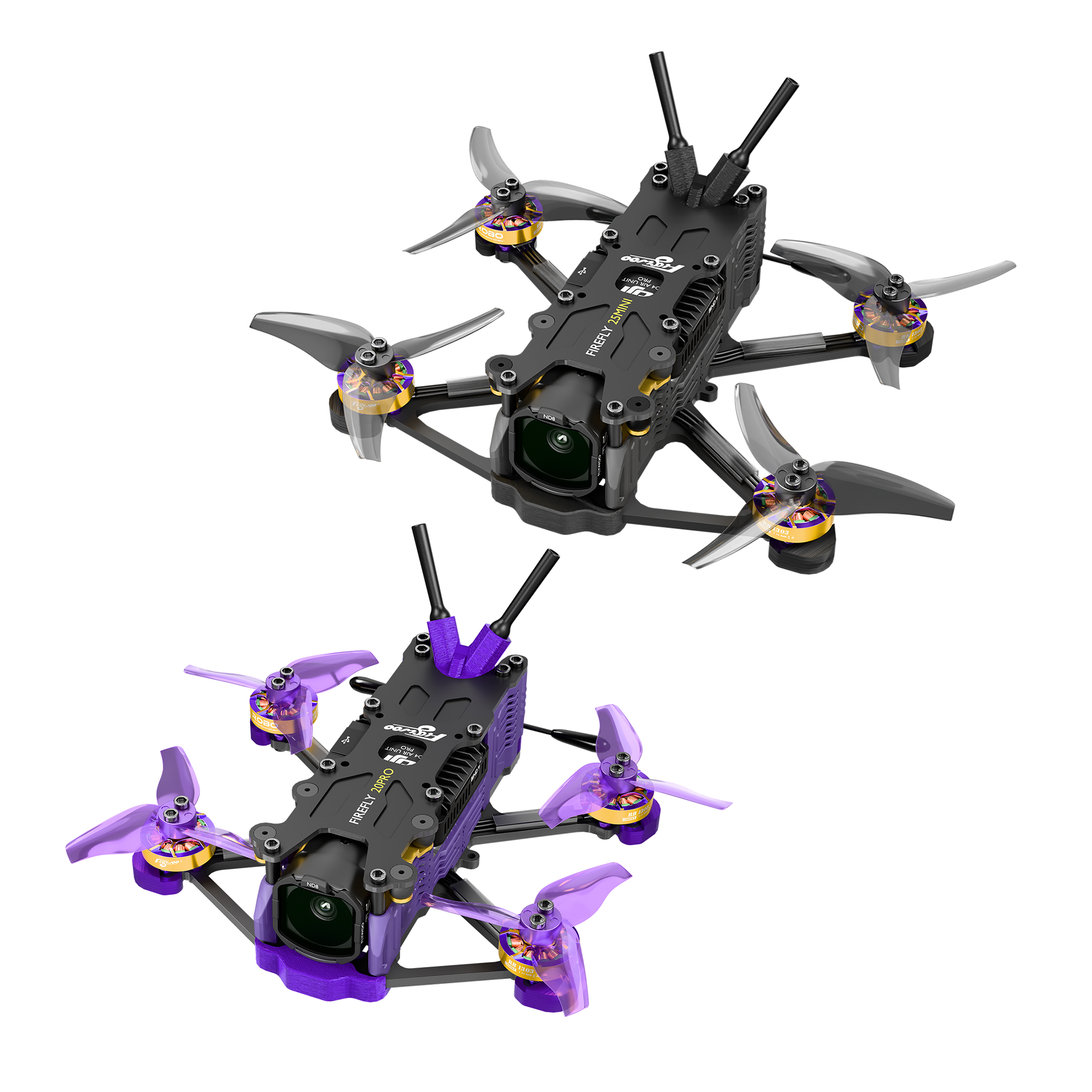
Firefly 16, Firefly 18, Firefly 20PRO, and Firefly 25MINI can disappear quickly in grass or leaves. A buzzer and a known search area are often more useful than a complicated rescue setup.
Flylens 75 and Flylens 85 reduce damage risk around nearby obstacles, but they still need a recovery habit: disarm fast, inspect ducts and props, and avoid powering through blocked propellers.
Turtle Mode is useful only when the aircraft is inverted, the props are clear, and the location is safe. If a prop is jammed, the safer answer is to disarm and retrieve the aircraft by hand.
GM10 GPS product fit
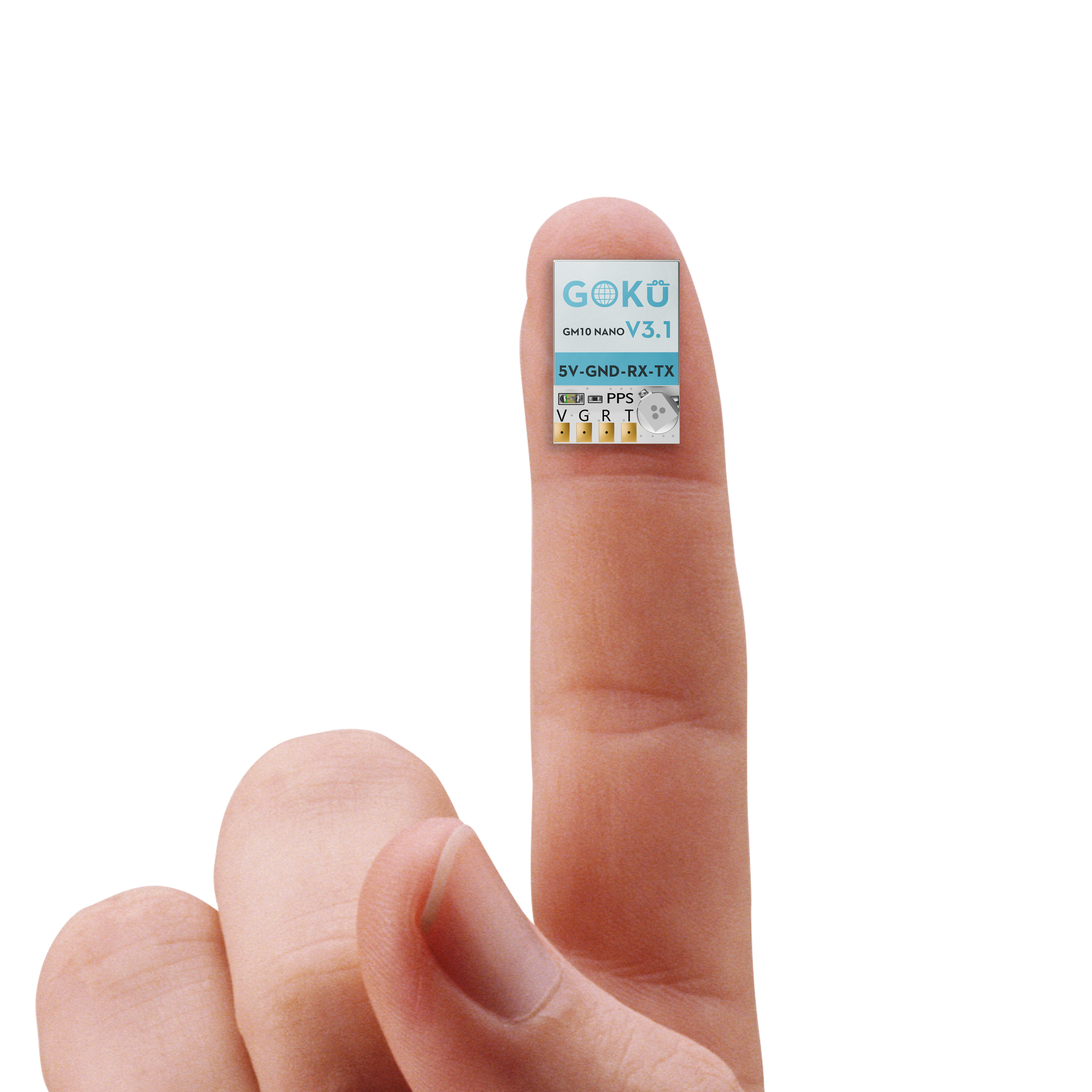
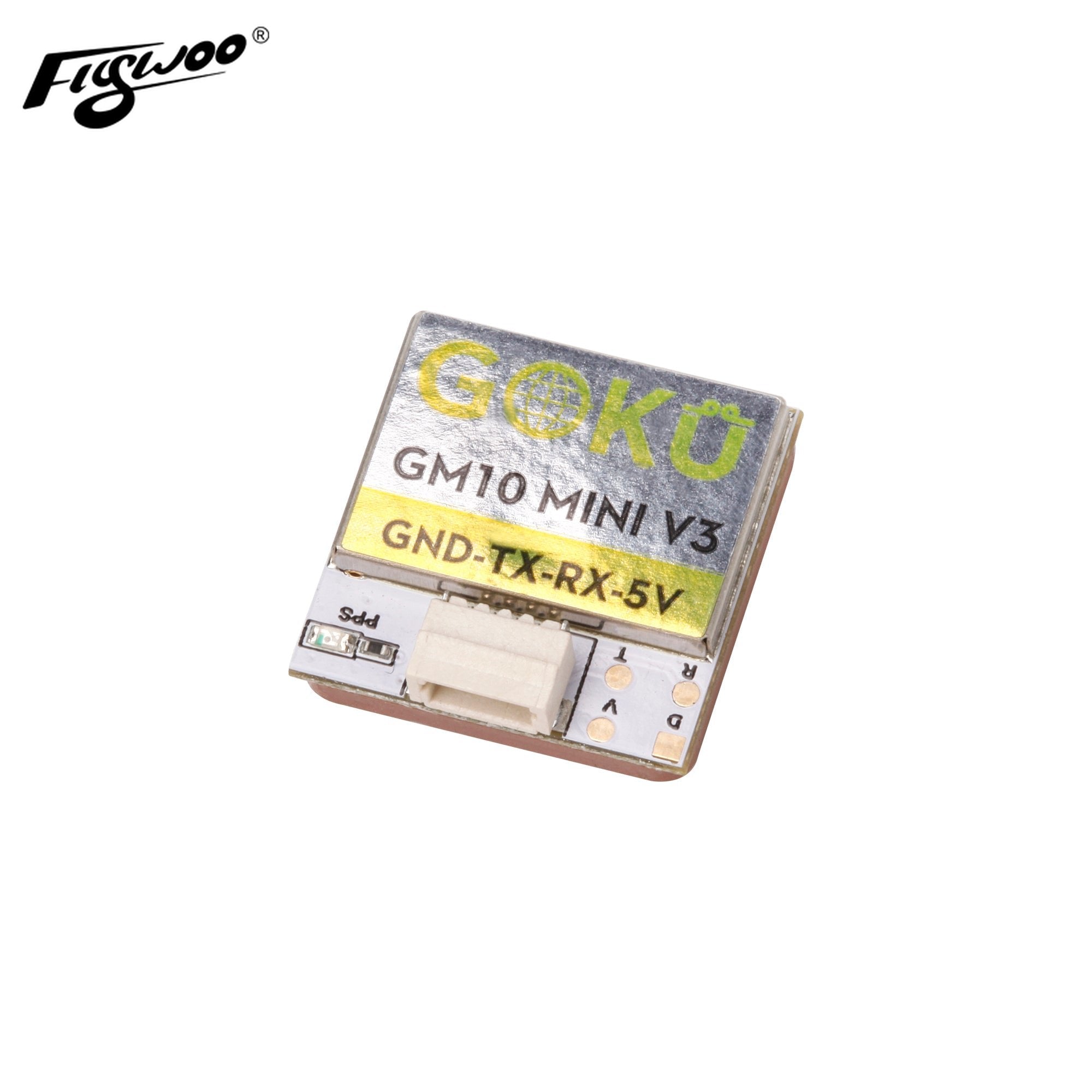
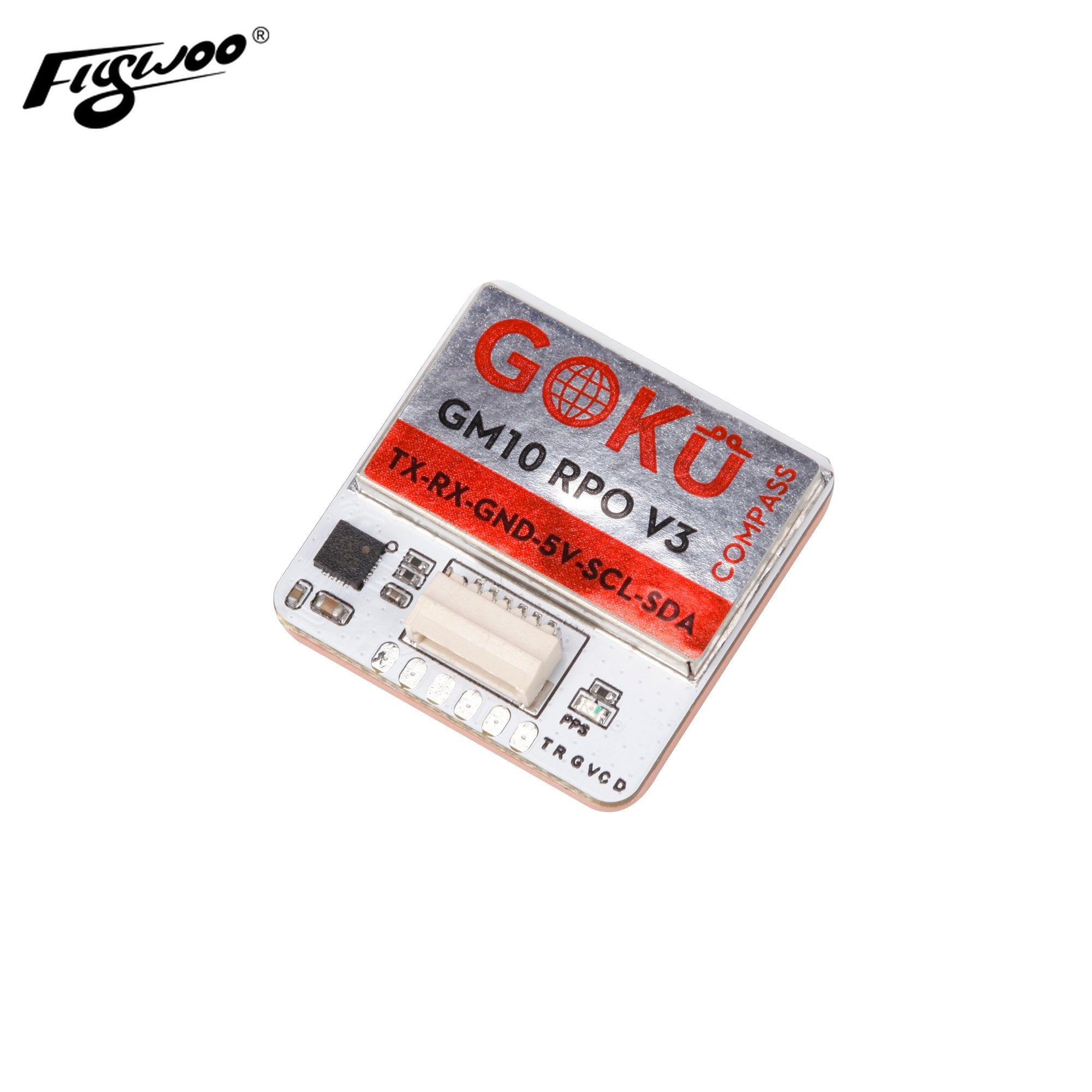
A GPS module does not make a drone impossible to lose. It gives the flight controller better position data for GPS Rescue, home direction, OSD location awareness, and post-crash search planning. The right model is the one that fits the aircraft without creating a weight or mounting problem.
Comparison table
Preflight checklist
Do not arm for a GPS Rescue route until the aircraft has a stable fix, correct home direction, and enough satellites for the firmware setup you use.
A buzzer only helps if you can trigger it after a crash. Check the switch, sound level, and whether the aircraft can still beep when the main pack is low.
Only use Turtle Mode when the aircraft is upside down, the props are clear, and the area is safe. Stop immediately if the motors sound blocked.
Know the wind direction, obstacles, no-fly boundaries, and the path you would walk if the aircraft lands short or behind cover.
A recovery feature cannot help much if the pack is already exhausted. Plan the return before the battery feels urgent.
After any crash, check props, motors, ducts, GPS wire, antenna, battery, O4 camera, filter, and frame before flying again.
Pros and cons
What not to overstate
It depends on configuration, home point, satellite quality, firmware setup, aircraft condition, wind, and battery margin.
It helps when you are near the crash area. In loud wind, tall grass, or a distant crash, GPS coordinates and visual memory still matter.
Do not use it around people, blocked props, water, dry leaves, or a damaged battery. Retrieve the drone by hand when the situation is unclear.
FAQ
No. GPS Rescue is a recovery aid that must be configured, tested, and used with a valid home point, enough satellites, correct failsafe behavior, and enough battery margin. It should never be treated as a guarantee.
Use GM10 Nano V3.1 for the smallest builds, GM10 Mini V3 for most 2- to 5-inch Betaflight builds, and GM10 Pro V3 w/compass when a larger long-range or cinematic platform has room for a bigger GPS module.
A buzzer is useful for locating a nearby crashed aircraft in grass, bushes, or a small field. GPS Rescue is more relevant when the aircraft may lose RC or video link farther from the pilot.
No. Turtle Mode can help flip an inverted quad when the props are clear and the aircraft is not jammed. It should not be used if props are blocked, people are nearby, or the aircraft is in a risky position.
References
These references are included for Betaflight GPS Rescue, crash recovery behavior, and buzzer behavior. Product recommendations are written from Flywoo's GPS lineup and FPV aircraft use cases.
Jul 15,2026 | FLYWOO