Flylens 75 vs 85: A Practical Cinematic Whoop Buyer's Guide
Jun 03,2026 | FLYWOO
| Your Scenario | Best Pick | Why |
|---|---|---|
| Indoor apartment / living room | Flylens 75 O4 Wide | Small frame and 155° view help in tight rooms |
| City park / outdoor hover filming | Flylens 85 O4 PRO | Larger frame feels calmer outdoors; PRO camera handles contrast better |
| Travel vlogging / carry-on packing | Flylens 75 O4 PRO | Small enough to pack, still with the PRO camera |
| Sunset / low-light cinematic | Flylens 85 O4 PRO | The larger O4 PRO sensor gives you more room in dim scenes |
| Immersive proximity / FPV-style cinematic | Flylens 85 O4 Wide | Wide view with the steadier 85mm frame |
| First DJI digital whoop, tight budget | Flylens 75 O4 Wide | Lower-cost way into an O4 whoop with a wide view |
Every number you need to decide. Swipe right on mobile to see all columns.
| Product View |
|
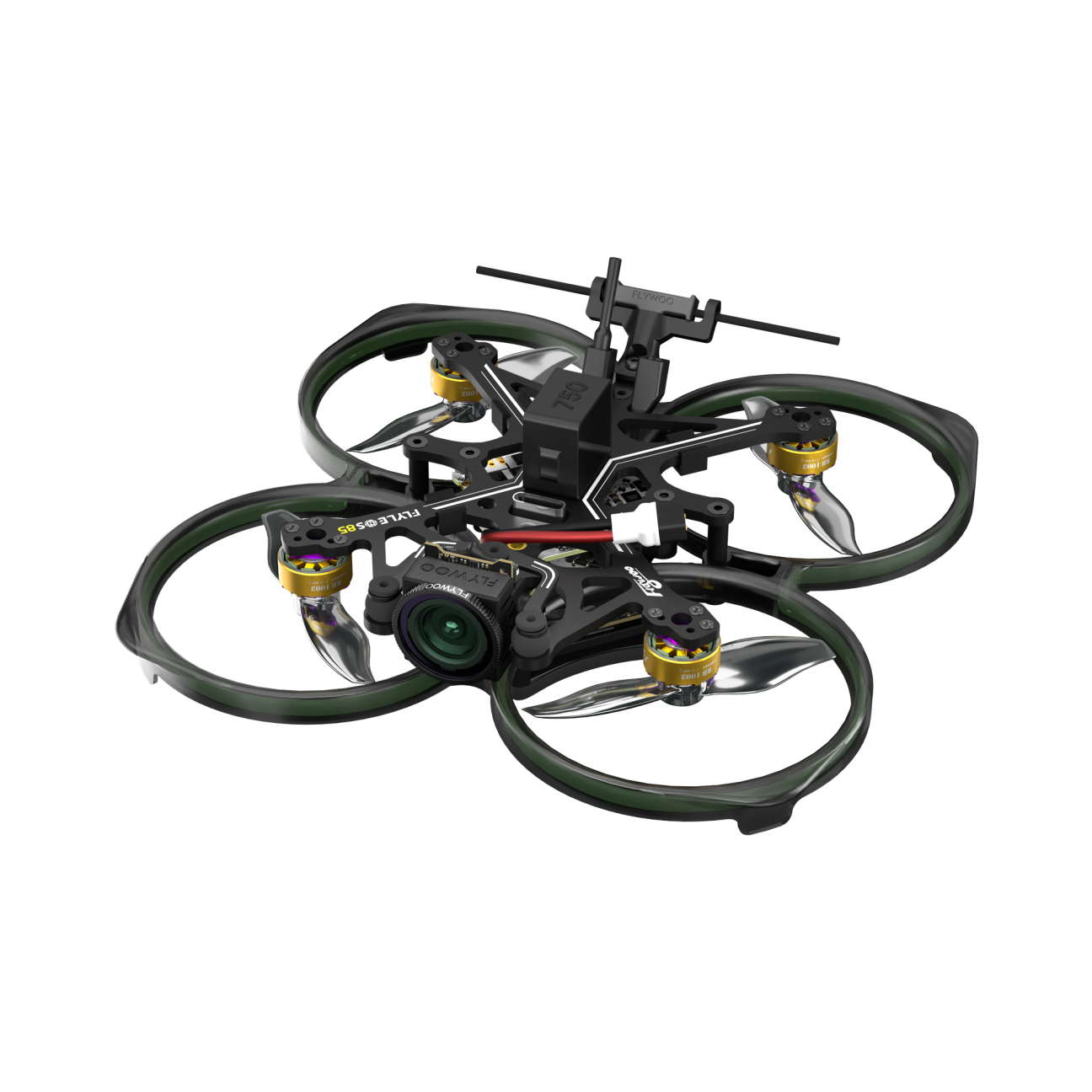
|
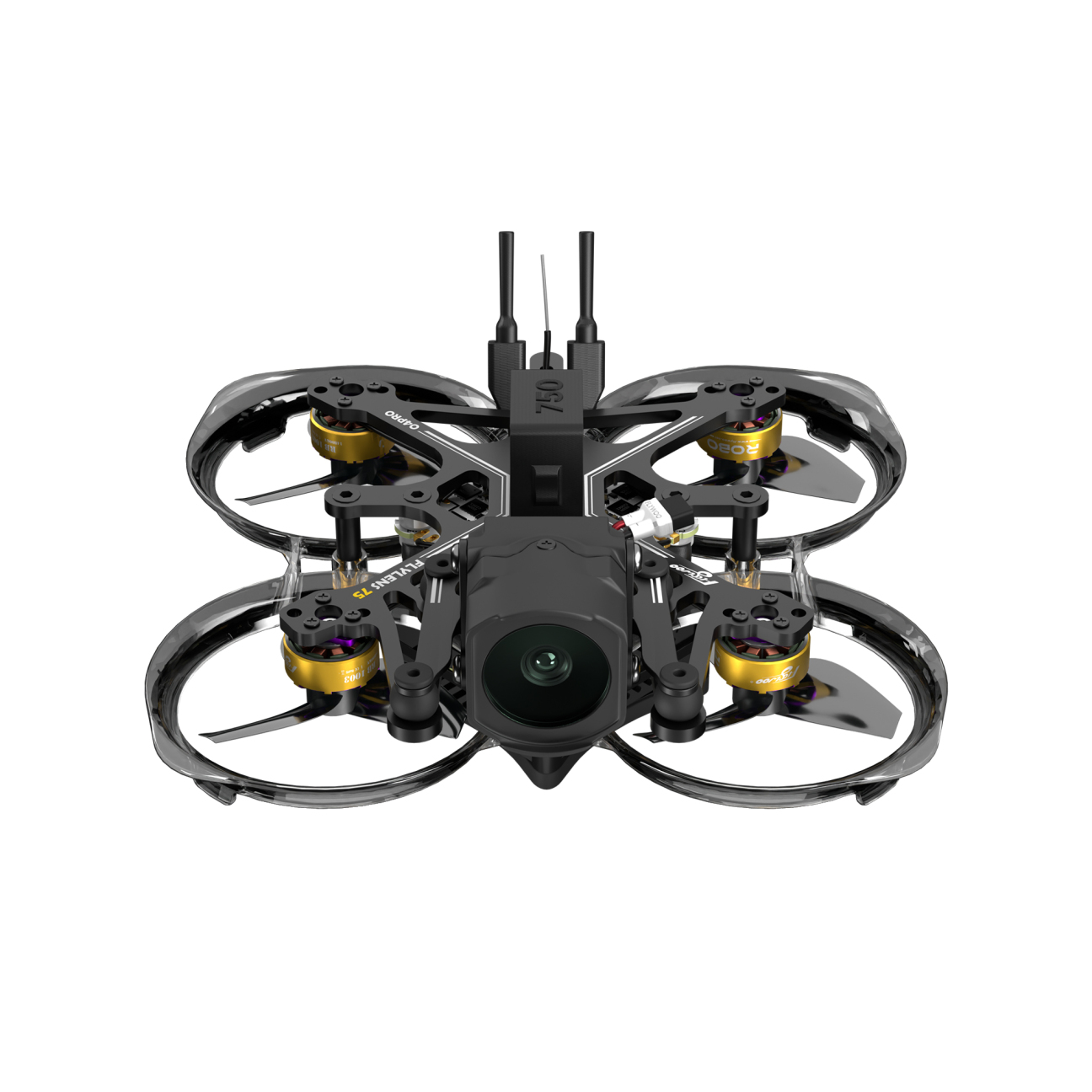
|
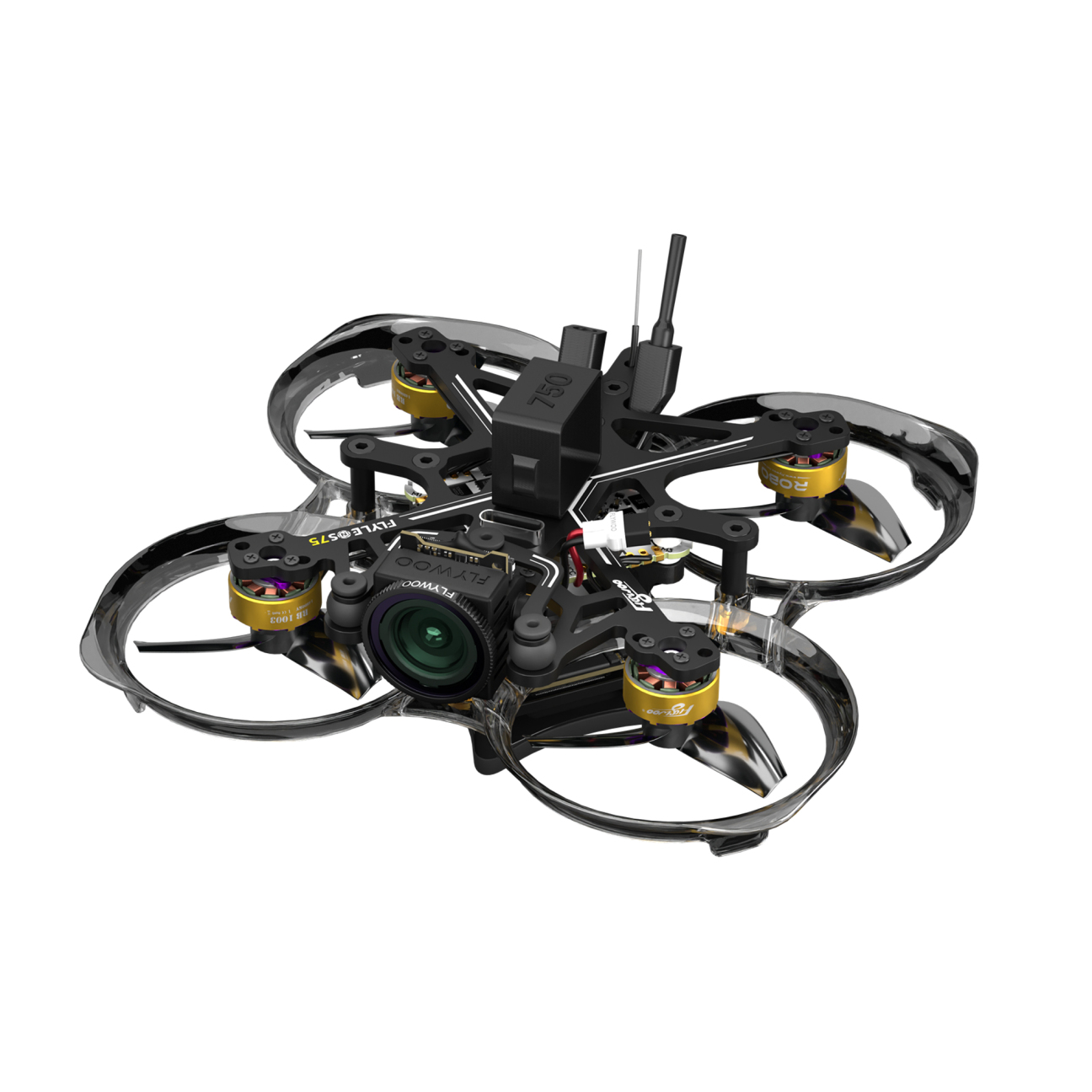
|
|---|---|---|---|---|
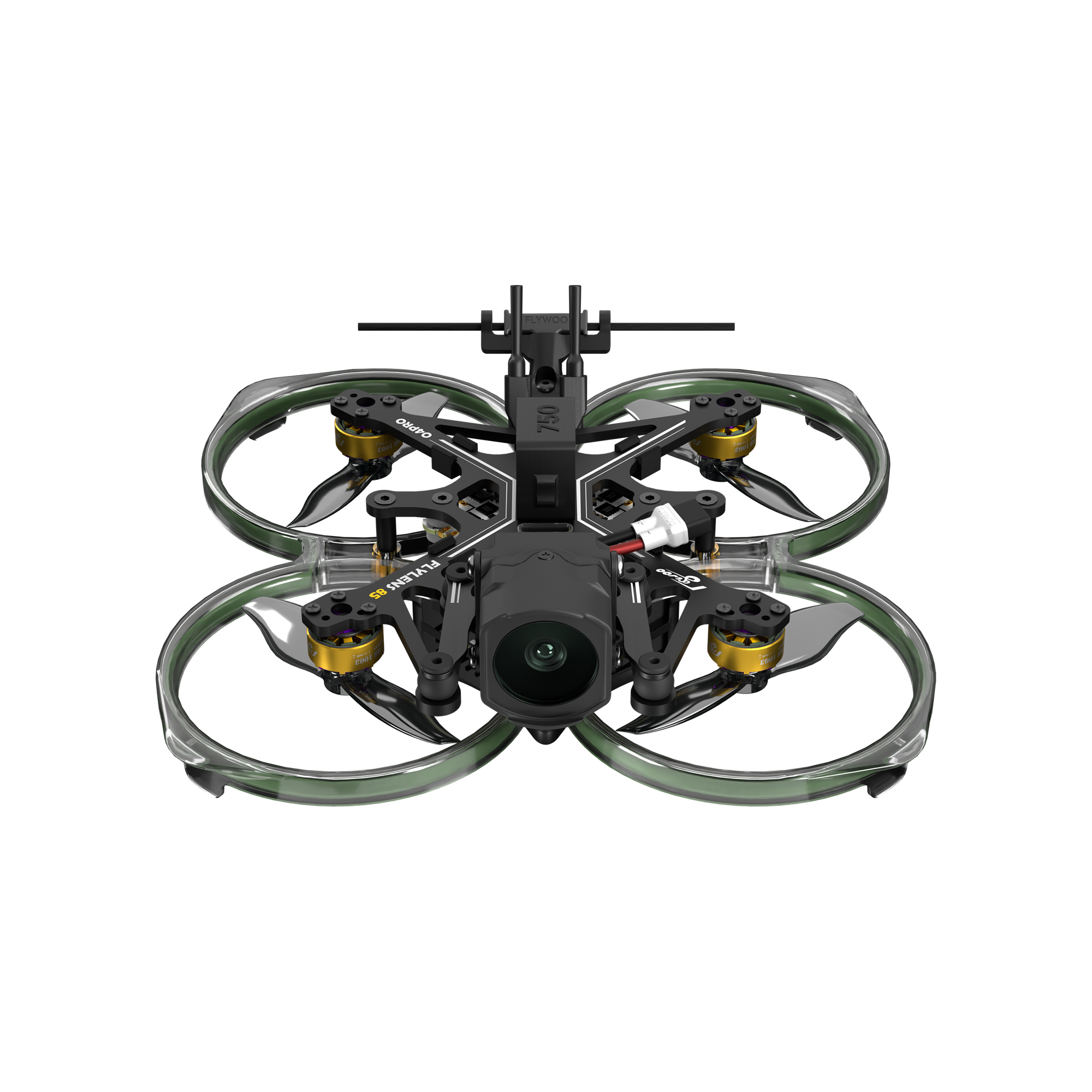
| MODEL | Flylens 85 2S O4 PRO | Flylens 85 2S O4 WIDE | Flylens 75 2S O4 PRO | Flylens 75 2S O4 WIDE |
| Official Store | View Product → | View Product → | View Product → | View Product → |
| Frame Size | 85 mm | 85 mm | 75 mm | 75 mm |
| Prop Size | 2015-2 2-inch ducted | 2015-2 2-inch ducted | 1611-3 40mm ducted | 1611-3 40mm ducted |
| Camera / VTX | DJI O4 PRO | O4 Wide Camera | DJI O4 PRO | O4 Wide Camera |
| Camera FOV | 155° / 100° / 60° | 155° Wide | 155° / 100° / 60° | 155° Wide |
| Battery | 2S LiPo / LiHV | 2S LiPo / LiHV | 2S LiPo / LiHV | 2S LiPo / LiHV |
| Official Weight | 87.5 g | 75.3 g | 75.3 g | 64.2 g |
| Official Flight Time | 550: 2m40s 750: 5m 1000: 6m |
750: 6m30s 1000: 8m |
550: 3m 750: 4m 1000: 5m |
550: 3m30s 750: 5m 1000: 6m |
| FC / ESC | GOKU F405 HD 1-2S AIO V2 | GOKU F405 HD 1-2S AIO V2 | GOKU F405 HD 1-2S AIO V2 | GOKU F405 HD 1-2S AIO V2 |
| Motors | ROBO 1003 14800KV | ROBO 1003 14800KV | ROBO 1003 14800KV | ROBO 1003 14800KV |
| Frame Type | Ducted Cinewhoop | Ducted Cinewhoop | Ducted Cinewhoop | Ducted Cinewhoop |
| Low-Light Performance | Better | Good | Better | Good |
| Best For | Parks, indoor cinematic, low-light | Proximity, immersive FPV, tight spaces | Travel, apartments, carry-on packing | Travel + max immersion, tightest spaces |
| Buy Now | Shop Flylens 85 PRO → | Shop Flylens 85 Wide → | Shop Flylens 75 PRO → | Shop Flylens 75 Wide → |
The 10 mm difference sounds trivial. In practice it changes where you can fly and how the drone handles.
Both transmit HD video over DJI O4 digital. The difference is sensor size, lens FOV, and what lighting they handle best.
| Attribute | DJI O4 PRO | O4 Wide Camera |
|---|---|---|
| Lens FOV Options | 155° / 100° / 60° | 155° fixed |
| Sensor Size | Larger | Smaller |
| Low-Light / Night | Better | Good |
| Dynamic Range | Higher | Standard |
| Spatial Awareness | FOV-adjustable | Max — always 155° |
| Good For | Sunset, indoor low-light, mixed daytime scenes | Tight indoors, bright-day immersion, proximity |
The choice changes a lot depending on where you actually fly.
Apartments, offices, warehouses, gyms, and stairwells. In these spaces, size and control matter more than raw power.
Open green spaces, plazas, and light outdoor flying. Here, the 85mm frame starts to earn its keep.
Hotels, rentals, street scenes, and quick travel clips. Pack size matters more than top speed here.
The drone is not a full ready-to-fly kit. You still need goggles, a controller, batteries, and a charger.
Small whoops look better when you fly them slowly and deliberately. These notes apply to both sizes.
Cinewhoop footage usually looks better at 30–50% throttle. Slow moves give the shot time to breathe.
Betaflight's Angle (self-level) mode keeps the horizon flat during slow reveals and push-through shots. Switch to Acro only when you need precise control over banking angles.
Fly slowly toward a doorway, arch, or gap, then ease through it. Simple move, useful shot.
Early morning and late afternoon are easier on small cameras. O4 PRO handles those bright-sky, dark-ground scenes better than the Wide camera.
Label each 2S pack with a number. Fly and charge them in order so the packs age at roughly the same pace.
Gyroflow can clean up small shakes after the flight. Use the sync gyro data feature with Betaflight blackbox logs when you want a smoother final clip.
Buy the Flylens 85 if you fly parks or medium-to-large indoor spaces and want a calmer hover. Buy the Flylens 75 if you travel often or fly in apartments. If you do a bit of everything, the Flylens 85 O4 PRO is the safer starting point.
They are more forgiving than open-frame quads because the props are guarded. Start in Angle mode in a large empty room, get comfortable with throttle, then move outside on a calm day. DJI RC Motion 3 is easier for beginners than a traditional FPV radio.
Official Flywoo tests vary by model and battery: 85 O4 Wide reaches 6m30s on 750 mAh and 8m on 1000 mAh; 85 O4 PRO reaches 2m40s/5m/6m on 550/750/1000 mAh; 75 O4 Wide reaches 3m30s/5m/6m; 75 O4 PRO reaches 3m/4m/5m. Real-world throttle and wind can change this.
Neither model is waterproof, so skip rain. The Flylens 85 copes better with a light breeze. The Flylens 75 drifts sooner because it is smaller and lighter. Treat both as indoor and calm-weather drones.
Both models use DJI O4 digital transmission, compatible with DJI Goggles 3, Goggles N3, and Goggles 2. The Goggles 3 + RC Motion 3 pairing is the most popular for whoop flying due to the intuitive motion control. Analog goggles will not work.
Yes. Flywoo sells replacement props, motors, ducts, and AIO FC/ESC boards directly at flywoo.net. Props are the most commonly replaced part — buy a multipack at checkout. Motors are durable but carry a spare if you fly proximity aggressively.
With normal 2S packs, both are usually well under 250 g. Still, weigh your exact setup with the battery installed and check your local rules before flying.
Yes. Both models run Betaflight with blackbox logging, and Gyroflow can use that data to smooth the clip afterward. Use the DJI O4 lens profile for cleaner correction.
A few useful takeaways from reviews and community threads, with current O4 specs checked against Flywoo's product pages.
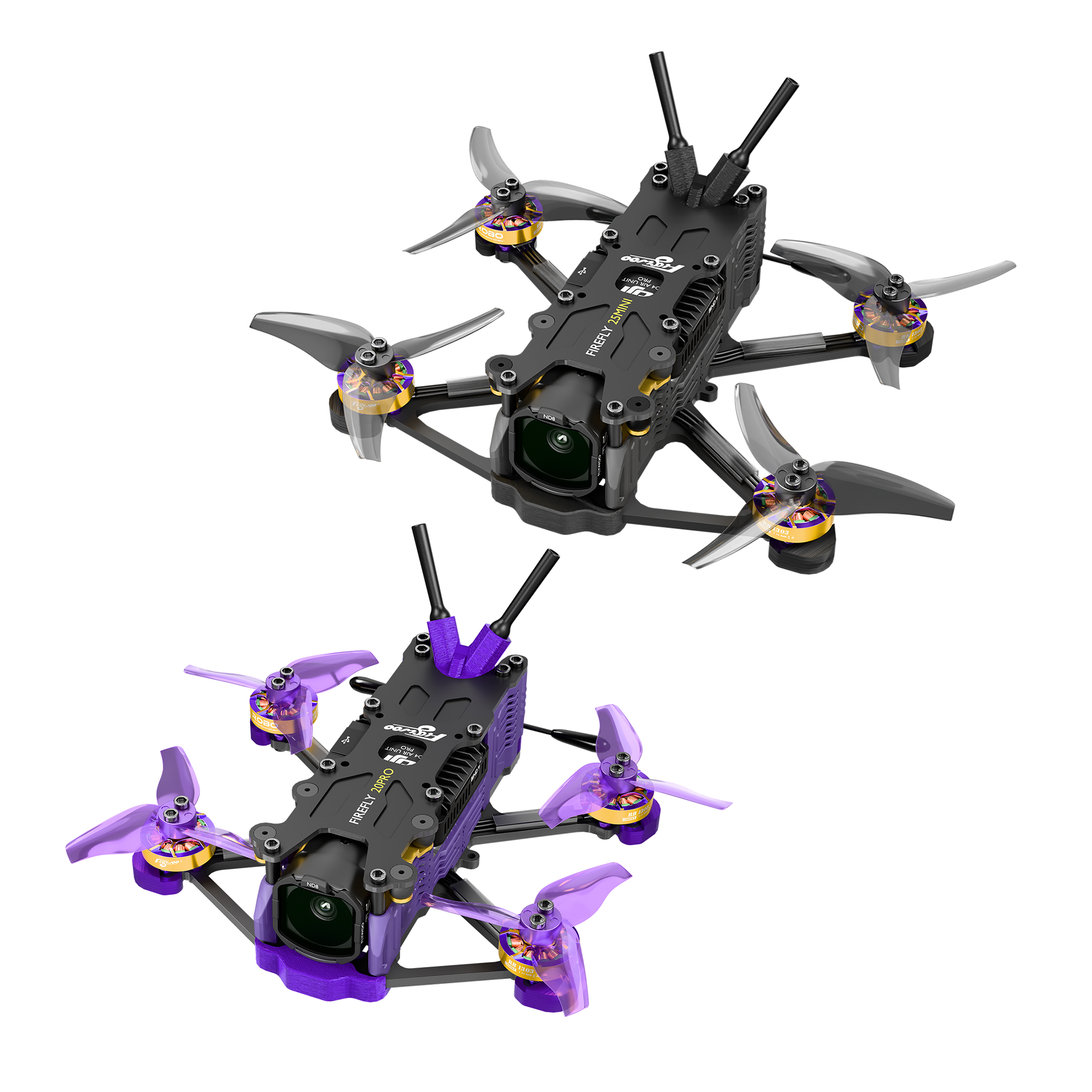
Updated takeaway: The Flylens 75 remains the lighter, tighter-frame option, with current O4 product pages listing 75.3 g for O4 PRO and 64.2 g for O4 Wide. The frame keeps flexible, crash-resistant prop ducts and a Y-structure that keeps guards out of the camera view.
Updated takeaway: The current O4 Flylens 75 and 85 pages list the same ROBO 1003 14800KV motor family. The 75 uses 1611-3 40mm three-blade props, while the 85 uses 2015-2 two-blade 2-inch props.
Updated takeaway: The Flylens 85 remains the more stable 2-inch option, with current O4 product pages listing 87.5 g for O4 PRO and 75.3 g for O4 Wide. It stays comfortably in the sub-250 g category with normal 2S packs and keeps the signature LED-forward Flylens look.
The O4 PRO version uses a soft-mounted camera setup to reduce vibration. In practice, that matters more than it sounds: small whoops can show jello quickly when props are imperfect or the tune is off.
Battery choice changes the feel. A 550 mAh pack keeps it light, 750 mAh is a sensible middle ground, and 1000 mAh gives longer, smoother cruising if you do not mind the extra weight.
"This drone is great at cinematic cruising but in the hands of an experienced pilot it is also a bit of a freestyle beast."
"85 mm uses 2015-2 2-inch props vs 75 mm 1611-3 40mm props. Both use ROBO 1003 14800KV motors. 75 is great for tight spaces and travel, and 85 is great when you want more stability and outdoor performance."
Users also tend to like larger 2S packs for smoother cruising, especially on the 85mm frame. The tradeoff is extra weight and a less snappy feel.
Jun 03,2026 | FLYWOO