Scenic travel
Use Explorer LR 4 O4 when the main shot is a planned line across open scenery, not a quick clip between obstacles.
Explorer LR 4GPS
A good travel FPV kit is built around the kind of flying you will actually do. A weekend at the coast, a hotel courtyard, a mountain lookout, and a quick stop at a park all need different choices. The goal is to bring enough gear to fly confidently, without turning the bag into a repair bench.
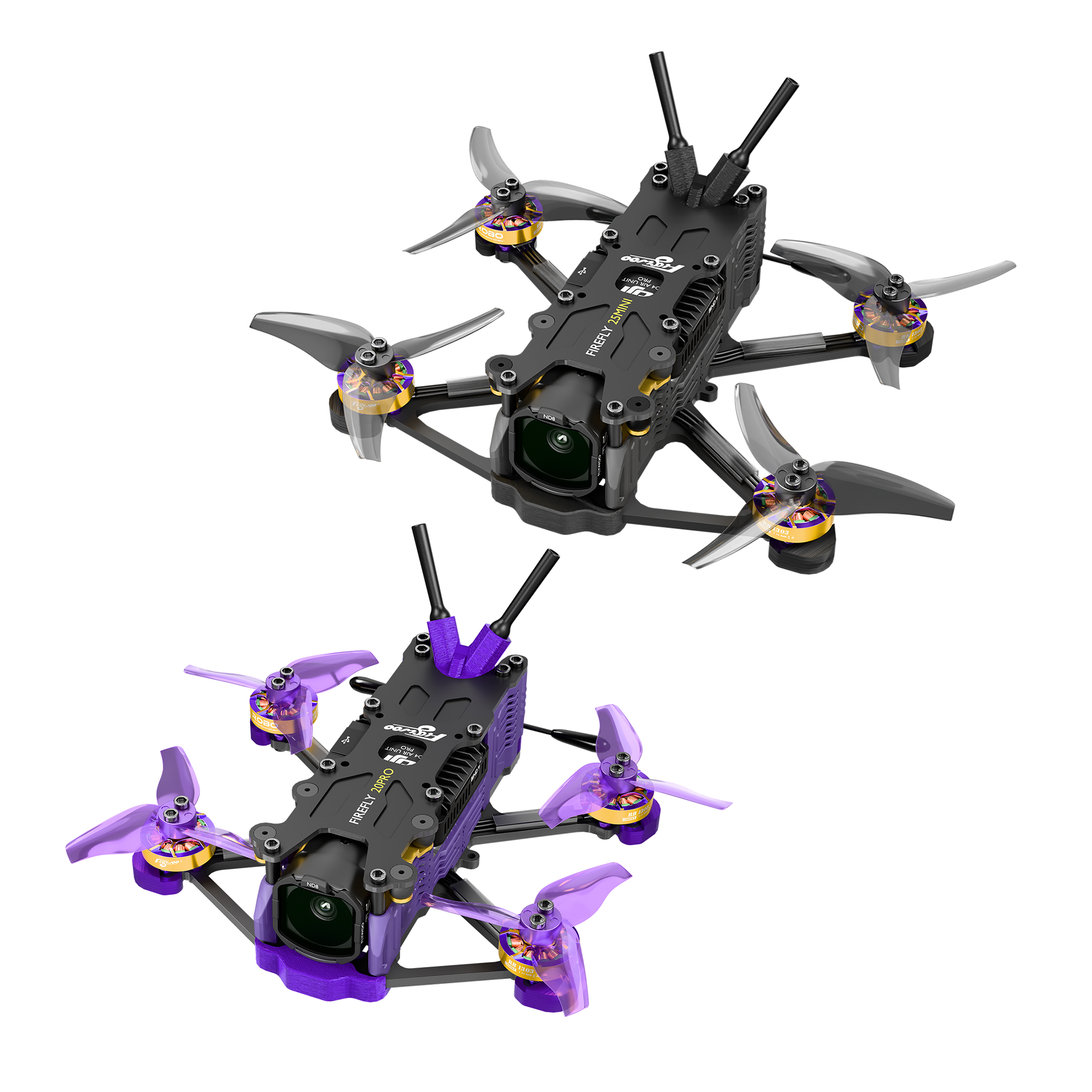
If the trip is about open scenic routes, Explorer LR 4 O4 should be the center of the kit, with 4S batteries, GPS checks, spare props, and a charging plan. If the goal is to keep the bag tiny, Firefly 16 or Firefly 18 makes more sense. If you will fly close to people, trees, furniture, or narrow gaps, Flylens 75 or Flylens 85 is the calmer choice. If the location gives you open space for sharper micro action, Firefly 20PRO or Firefly 25MINI belongs in the bag.
Use Explorer LR 4 O4 when the main shot is a planned line across open scenery, not a quick clip between obstacles.
Use Firefly 16 or Firefly 18 when the whole point is to keep the digital FPV kit small, light, and quick to set up.
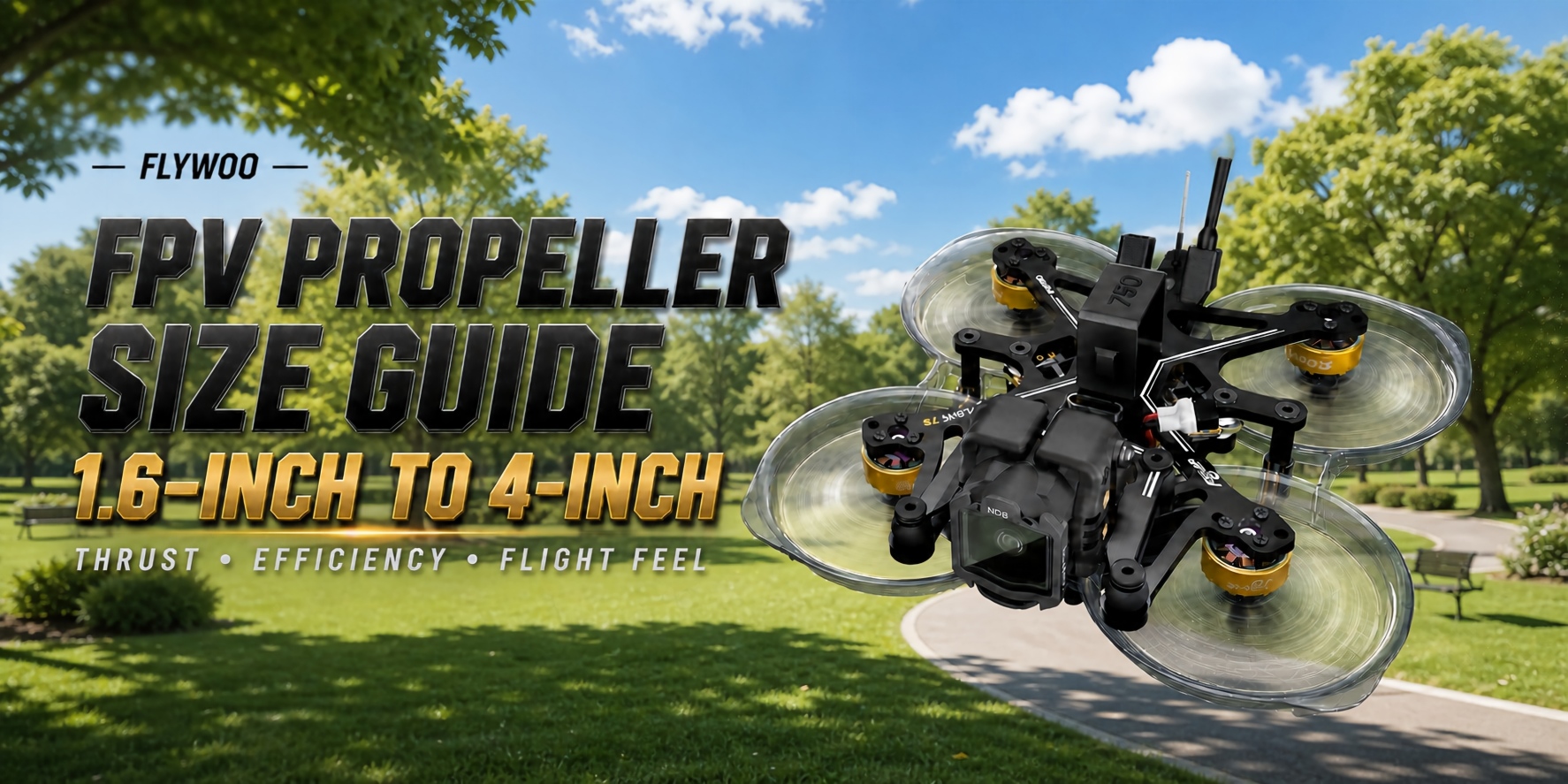
Use Flylens 75 or Flylens 85 when the shot happens near objects and you want a more forgiving protected frame.
Use Firefly 20PRO or Firefly 25MINI when the spot is open enough for open props and you want more bite than a whoop.
A travel plan often sounds bigger at home than it feels on location. If the space is tight, start with Flylens or Firefly. If the route is open and recoverable, Explorer LR 4 becomes more reasonable.
Do not count batteries only by quantity. Count them by useful flights: one test pack, the main shot packs, and enough reserve to stop flying before the battery feels risky.
If you cannot recharge until night, bring enough packs and keep the charger simple. If you can recharge in a car or room, the power supply and leads matter as much as the charger itself.
On trips, the first failure is usually small: a bent prop, loose screw, dirty lens, weak strap, or missing lead. Pack for those problems before packing rare repair parts.
Before an open-area flight, know the return path, landing area, wind direction, local rules, and whether GPS rescue has been tested. A beautiful route is not worth much if recovery is vague.
The best travel kit is the one you will actually carry, charge, maintain, and fly. Two well-chosen aircraft are usually better than a bag full of half-prepared options.
| Travel scene | Flywoo aircraft | Battery direction | What to pack with it | Why it fits |
|---|---|---|---|---|
| Scenic route, coast, mountain, lake | Explorer LR 4 O4 PRO / O4 Wide | 4S 750 mAh LiPo or 4S Li-ion 18650 direction, depending on build and weight target. | GPS check plan, spare props, 4S charging setup, battery straps, route notes. | It is the Flywoo travel choice for efficient 4-inch cruising and planned open-area footage. |
| Small bag, short outdoor clips, quick practice | Firefly 16 / Firefly 18 Nano Baby O4 | 1S 450-750 mAh for Firefly 16, 1S 450-1000 mAh for Firefly 18 direction. | More small packs, A30-compatible charging leads, spare tiny props, simple tools. | It keeps the kit ultra-portable while still giving a digital O4 Wide travel option. |
| Indoor-to-outdoor protected clips | Flylens 75 / Flylens 85 O4 | 2S 550-1000 mAh direction for Flylens 75, 2S 750-1000 mAh direction for Flylens 85. | Spare duct props, prop tool, lens cleaning cloth, close-range route plan. | The protected frame helps when the travel shot is close to people, furniture, trees, or narrow spaces. |
| Park, trail, small outdoor freestyle | Firefly 20PRO O4 | 4S 550-850 mAh direction. | Spare 2-inch props, compact charger, spare screws, field driver. | It is compact enough for travel but more energetic when the location allows open-prop flying. |
| Outdoor micro cinematic flow | Firefly 25MINI O4 | 3S 450-1000 mAh direction. | Spare 2.5-inch props, filter set, field tools, controlled route plan. | It gives a smoother micro-cinematic outdoor role without stepping up to a larger aircraft. |
When packing for a trip, it is easy to overthink battery count and underthink battery workflow. A better approach is to ask how the day will actually run: short repeat flights, one careful scenic line, or a few locations with charging time in between.
Firefly 16 / 18, Flylens 75 / 85, Firefly 20PRO / 25MINI, and Explorer LR 4 are not asking for the same pack. Keep battery groups separated by aircraft so the field setup stays obvious.
A tiny 1S kit may need many small packs because each flight is short and casual. A scenic Explorer LR 4 kit may need fewer packs, but each pack deserves more route discipline and more return margin.
If the trip includes air travel, spare lithium batteries usually need to stay in carry-on baggage with terminals protected. Check current airline and destination rules before departure so the kit does not become a problem at the airport.
For product choice, start with the aircraft battery class. For the trip, add the real-world details: pack count, charging location, connector leads, storage voltage, and airline rules when flights are involved.
This is the part worth being honest about. A travel kit feels good when the tradeoff matches the trip. It feels frustrating when the aircraft is technically capable but wrong for the location.
| Kit style | Main pro | Main tradeoff | Not best for |
|---|---|---|---|
| Explorer LR 4 scenic kit | Strong choice for planned open-area lines, GPS-supported cruising, and scenic route footage. | Needs careful route planning, battery management, and recovery margin. | Indoor flying, close object work, or spontaneous tiny-space clips. |
| Firefly 16 / 18 tiny kit | Very small digital FPV carry with light batteries and a compact footprint. | Less wind confidence and more local flight planning. | Long scenic routes, strong wind, or heavy freestyle moves. |
| Flylens protected kit | Useful when the shot is close to objects, trees, furniture, or narrow paths. | Ducted whoops are not the most efficient choice for distance or fast open-area flying. | Distance chasing, high-speed open routes, or windy ridge lines. |
| Firefly 20PRO / 25MINI micro kit | Compact outdoor action with more open-prop response than a protected whoop. | Needs more clearance and more disciplined flying around people or hard obstacles. | Indoor contact flying or crowded travel locations. |
For a 1S Firefly kit, handling many small packs smoothly matters more than charger power. For a 2S Flylens kit, leads and balance ports need to be correct. For Explorer LR 4, 4S charging needs more attention to power supply, storage voltage, and where the packs will sit while charging.
Most travel failures are small: one bent prop, one missing screw, one damaged strap, or one dirty lens. Pack light, but do not skip the parts that can turn a simple landing into the end of the day.
On open travel routes, GPS support helps with home direction, recovery planning, and rescue setup. It still needs satellite lock, home point confidence, and local testing before the trip.
For DJI O4 Wide footage, UV and ND filters help manage bright outdoor light and protect the lens surface. A small filter set and microfiber cloth take little space and often save the look of a sunny scene.
Before flying, walk the route and look for people, wires, trees, water, wind direction, return path, and landing zone. A beautiful location is not useful if the recovery plan is vague.
It is tempting to bring every small drone, but that usually creates more charging, more props, more parts, and more decisions. A cleaner travel kit starts with one main aircraft for the trip's main shot, then adds a smaller backup only if the location really needs it.
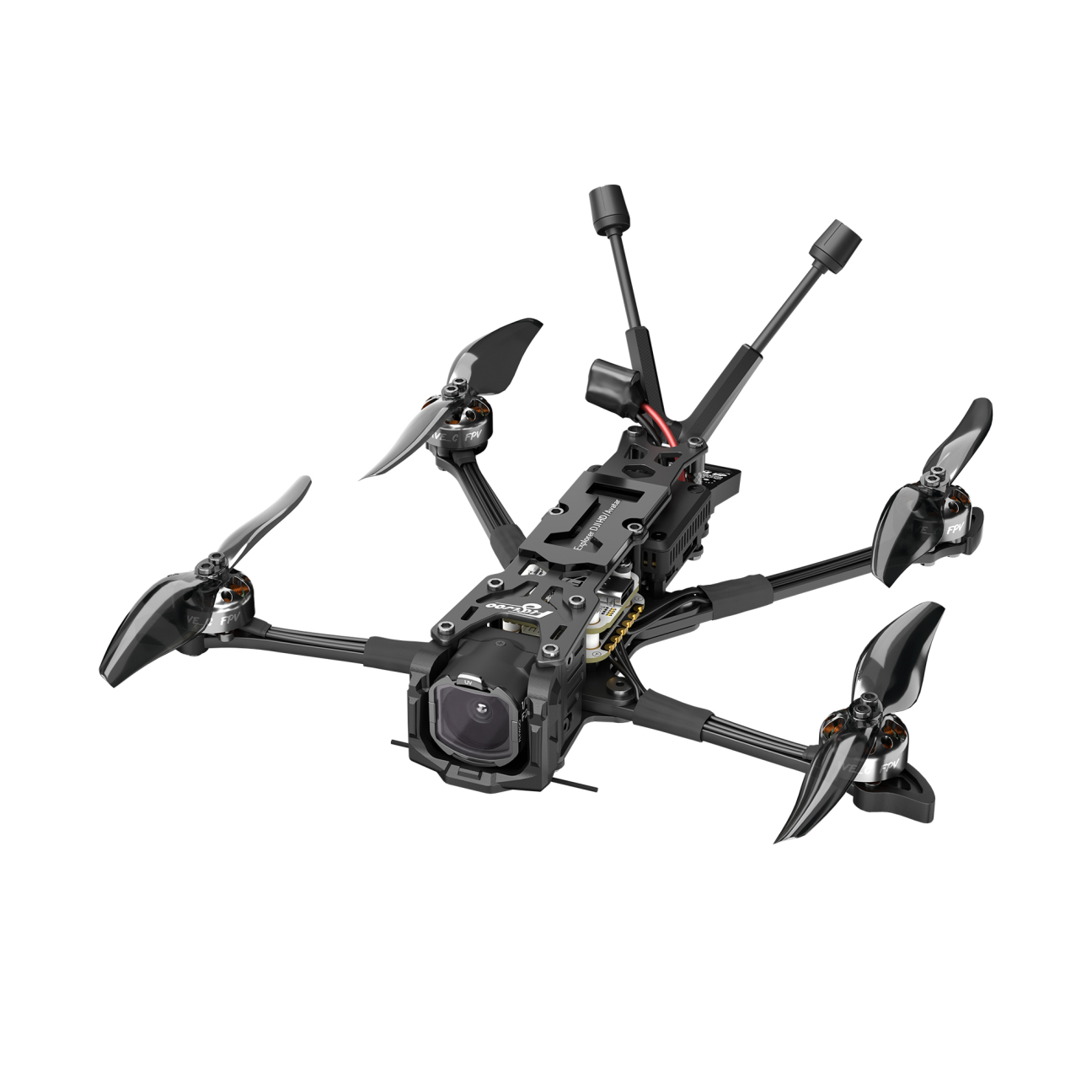
Choose this when the trip is built around one or two proper scenic lines: coastlines, mountain pullbacks, open fields, or lake routes. It rewards planning more than improvising, so pack route notes, GPS discipline, spare props, and a clear battery plan.
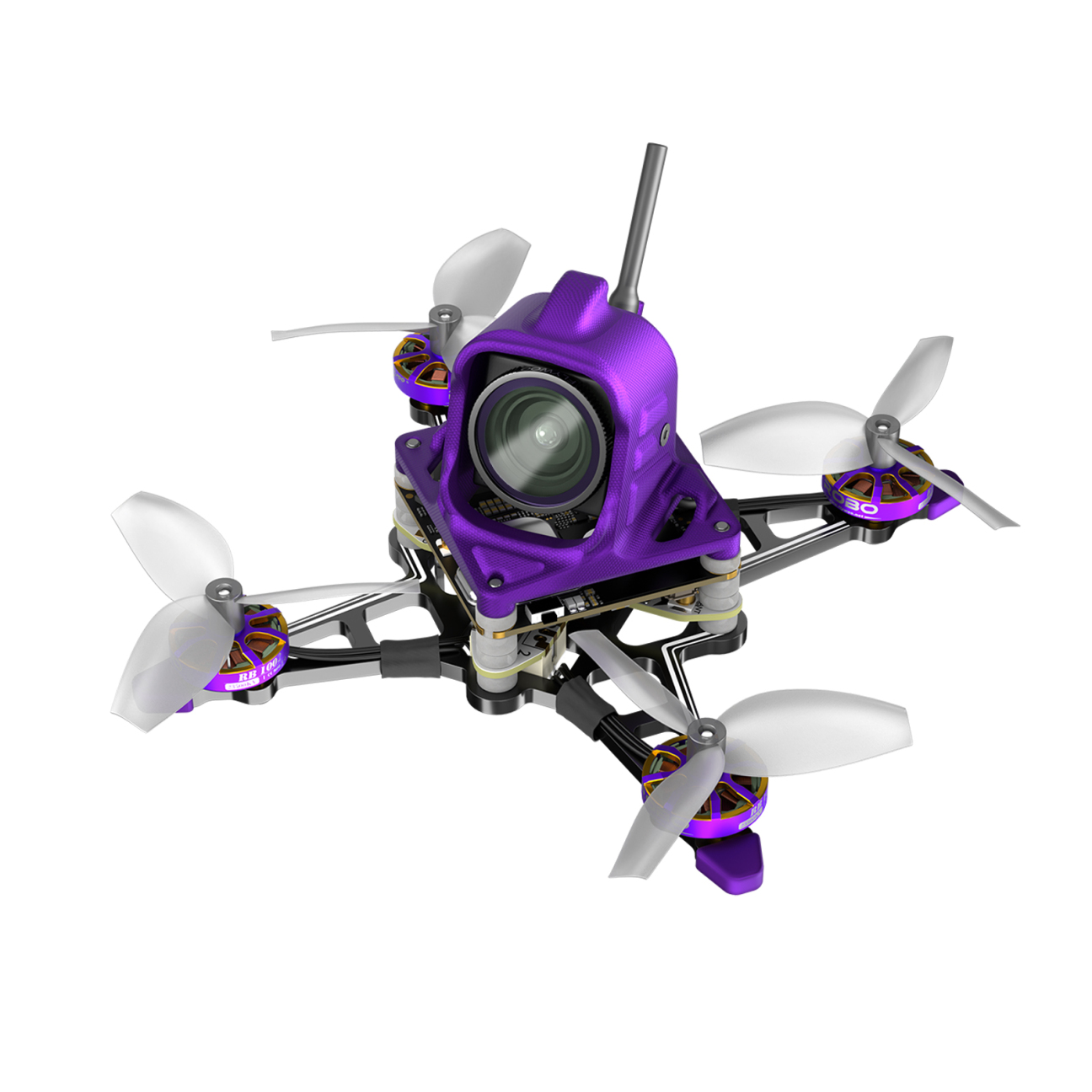
Choose this when the drone is coming along almost everywhere: short hikes, small bags, quick stops, and calm outdoor clips. The kit is easy to carry, but the flying should stay realistic: short lines, smooth throttle, and enough small 1S packs.
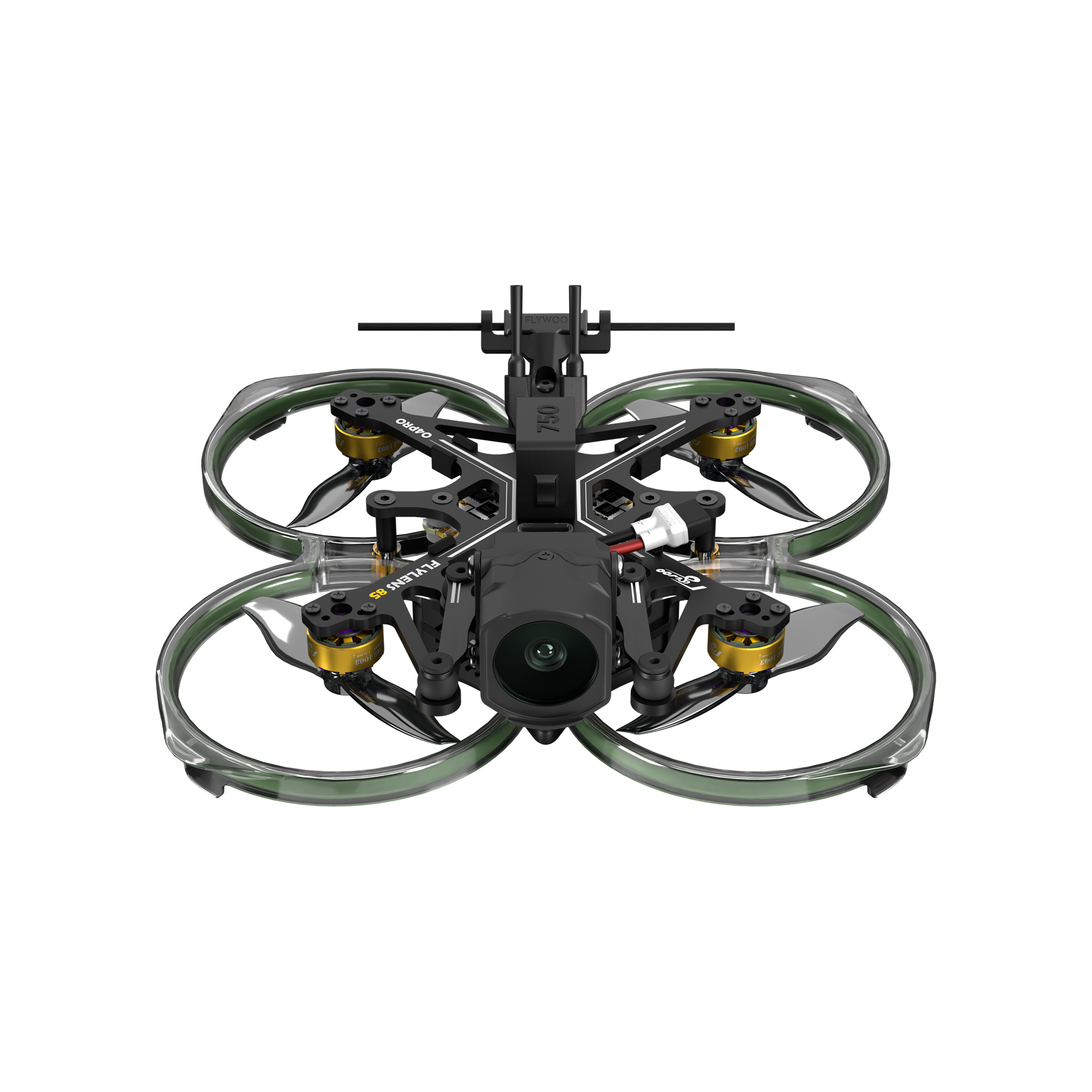
Choose this when the location is close, detailed, or a little unpredictable: courtyards, interiors, garden paths, trees, and people nearby. Ducts do not make every shot safe, but they make close-range movement more controlled than an open-prop micro.
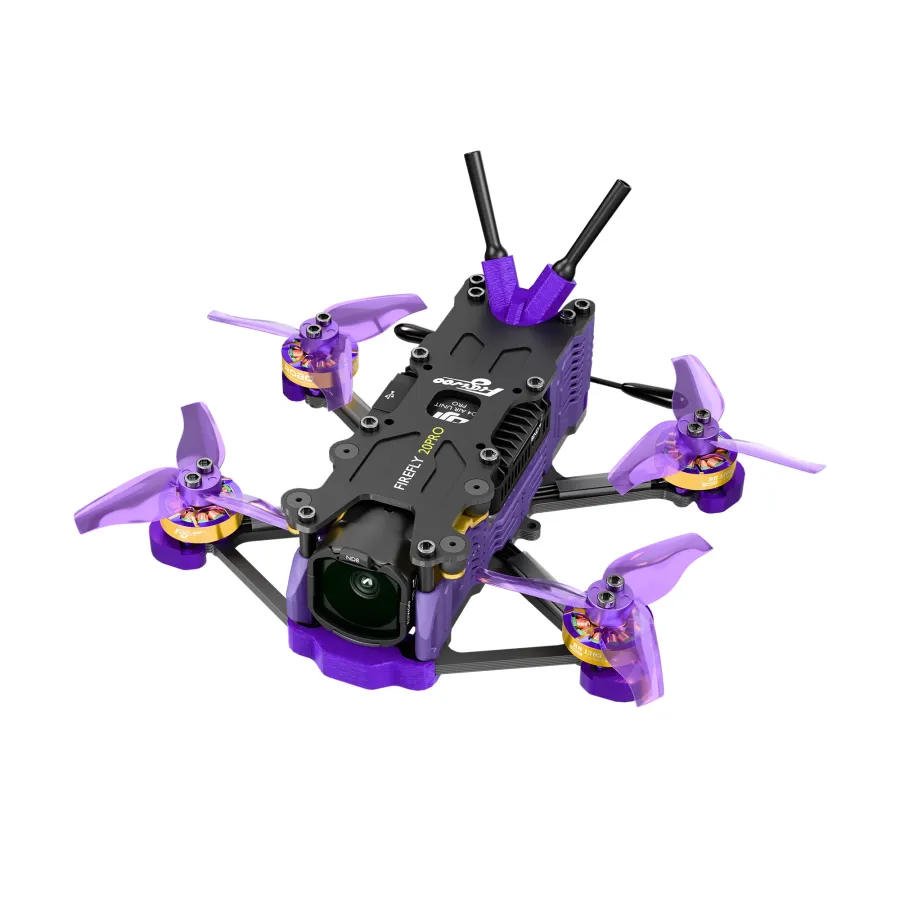
Choose this when the travel spot has room for sharper outdoor lines: parks, trails, small gaps, and quick freestyle moves. It is more energetic than a whoop, so it deserves more space and a more careful prop check.
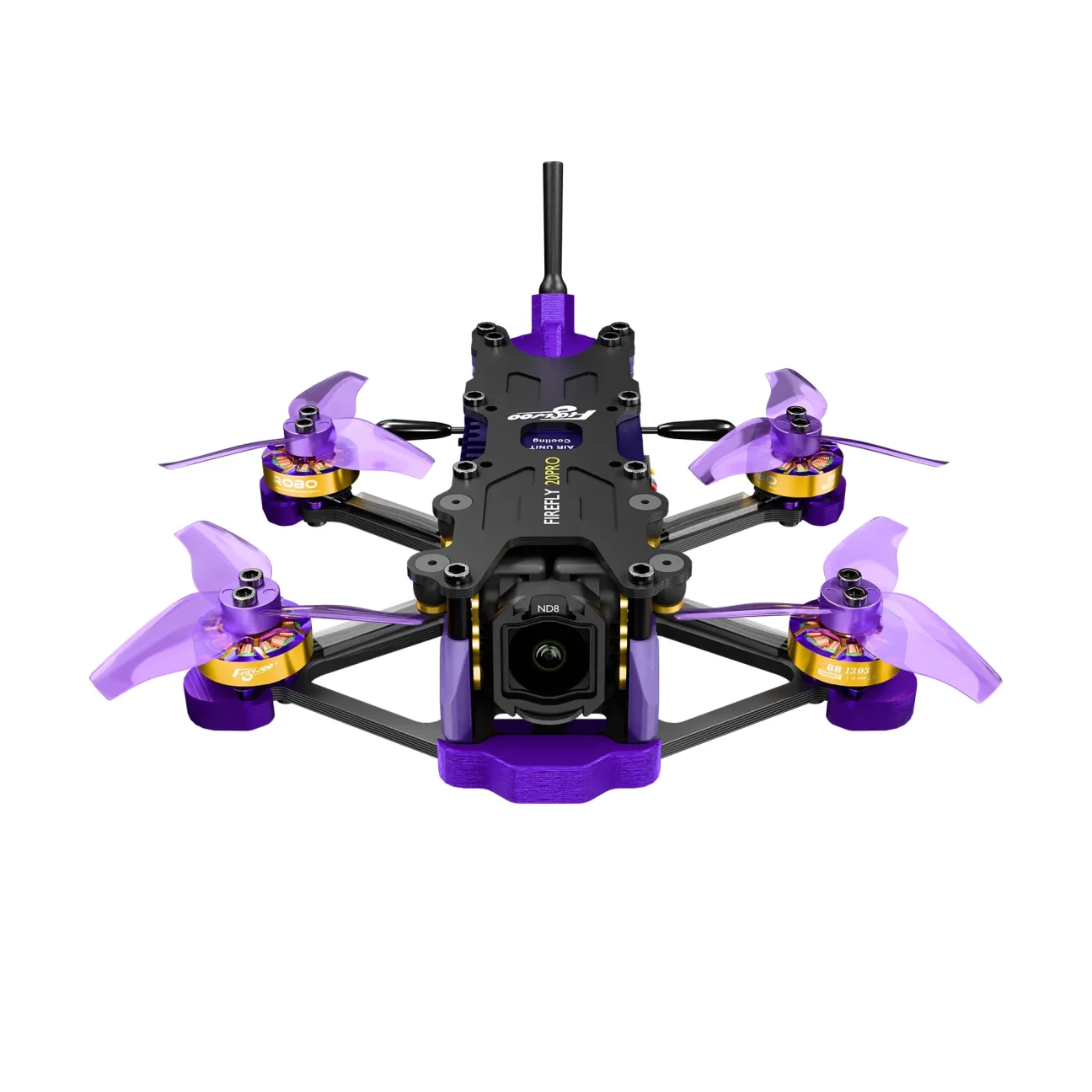
Choose this when you want small outdoor footage to look smoother and less nervous. It fits the space between tiny 1S flying and 4-inch route work: still compact, but more settled for flowing lines.
For DJI O4 Wide travel footage, the filter kit is one of the easiest items to justify. It is small, protects the lens surface, and helps bright daylight clips look more controlled. Keep it with a lens cloth so it actually gets used.
Confirm the destination's drone rules, airspace, privacy expectations, launch permissions, and visual line of sight requirements before the aircraft is on the pad.
After a bag ride, check frame, props, motors, screws, camera mount, battery strap, antenna, and connector before the first pack of the day.
For GPS-supported routes, wait for a solid lock and home point. Do not treat a basic GPS indication as a complete rescue check.
Use the first pack to test wind, video link, radio link, vibration, and battery behavior before committing to the main shot.
Travel locations are unfamiliar. Save more battery margin than usual, especially over water, hills, tall grass, or rocky terrain.
Dust, pollen, fingerprints, and salt spray are common on trips. Clean the lens and filter before every important takeoff.
For scenic travel, start with Explorer LR 4 O4 and build around GPS checks, spare props, route planning, and a realistic battery plan. For the lightest digital kit, choose Firefly 16 or Firefly 18. For protected close-range travel clips, choose Flylens 75 or Flylens 85. Add Firefly 20PRO or Firefly 25MINI when the trip genuinely has room for open-prop micro flying. The best kit is not the fullest bag. It is the setup you can charge, maintain, and fly calmly when the location finally looks perfect.
For scenic routes and long-range style travel, Explorer LR 4 is the strongest fit. For the smallest digital kit, choose Firefly 16 or Firefly 18. For protected close-range filming, choose Flylens 75 or Flylens 85.
Spare lithium batteries should travel in carry-on baggage, with terminals protected from short circuit. Always check the current airline and destination rules before flying.
Pack by the day plan, not by a fixed number. A tiny 1S kit may need more packs, while a long-range 4S kit may need fewer but larger packs and a more deliberate charging plan.
GPS is highly useful for open-area travel routes and long-range style flying, but it should be checked before takeoff and tested near home before relying on it during a trip.
Yes, ND filters are useful when filming bright outdoor scenes because they help control shutter speed and make motion look more natural in sunny conditions.
Spare propellers, screws, a small driver, battery straps, charging leads, lens cleaning tools, and the right filter set usually matter more than carrying a large repair bench.
Jul 05,2026 | FLYWOO